7 Warning Signs Your Business Isn't Ready for AI and How to Prepare
Introduction
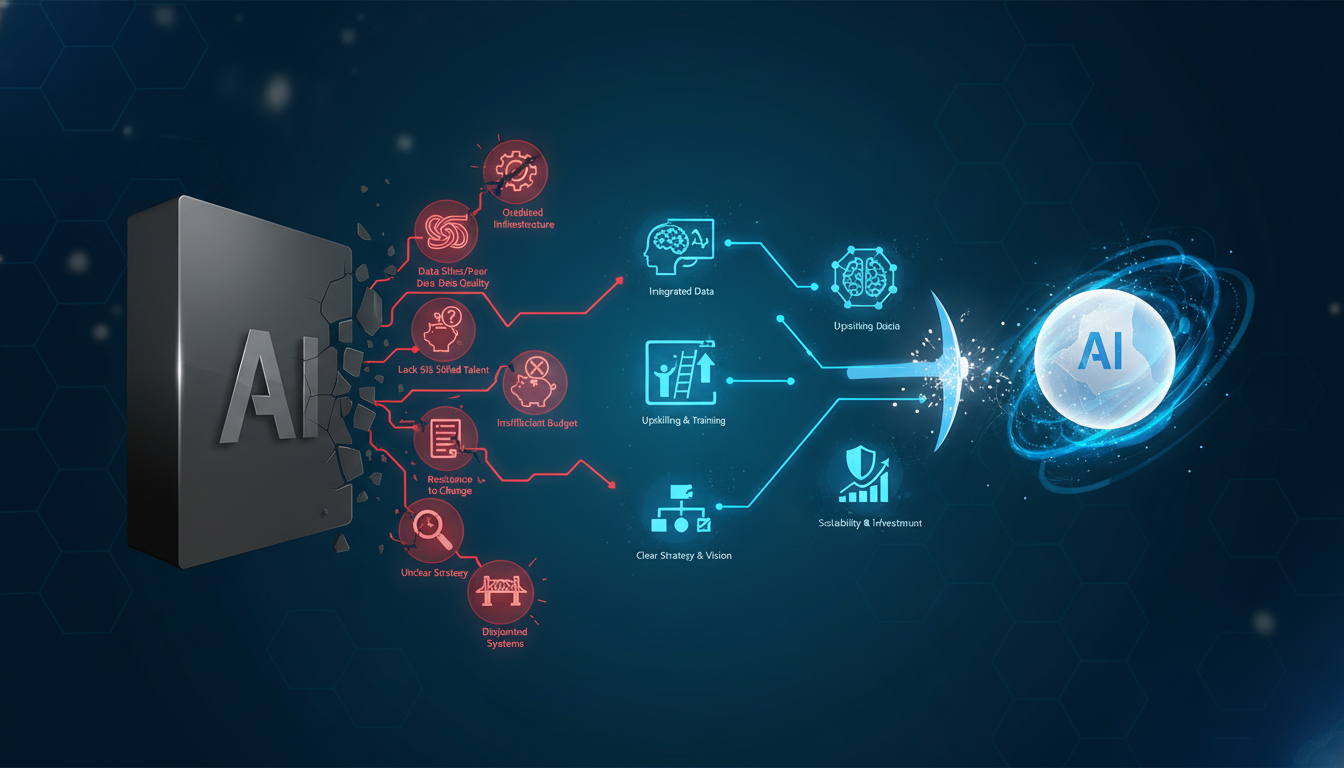
The allure of artificial intelligence (AI) is undeniable for businesses aiming to boost efficiency, automate processes, and gain deeper insights. Yet, many enterprises dive into AI initiatives only to find themselves entangled in challenges that stall progress. Before embarking on the AI journey, it's crucial to determine whether your business is truly ready. Here are seven warning signs indicating that your organization might not be prepared for AI, along with strategies to address these gaps.
1. Lack of a Clear Data Strategy
A major red flag is the absence of a structured data strategy. If your current data management practices are only geared towards regulatory compliance or basic reporting, they're likely not sufficient for AI. AI systems thrive on data that is machine-readable, contextual, and dynamic. To prepare, businesses should develop a comprehensive data strategy that emphasizes intelligence and adaptability, ensuring data is readily available for AI processes.
2. Data Accessibility Issues
If your teams struggle to access and trust enterprise data, AI will only exacerbate these issues. Data accessibility is vital for AI success; without it, AI systems cannot deliver consistent and reliable outputs. Organizations should invest in improving data discoverability and ensure that data can be easily accessed and trusted by all relevant stakeholders. Establishing a unified data access framework can mitigate these challenges and build a solid foundation for AI.
3. Weak Data Governance
Effective data governance is essential for any AI initiative. If your organization lacks clear data ownership, lineage, and governance policies, AI systems may produce unreliable or biased outputs. To strengthen governance, enterprises should implement robust data management policies, define clear ownership, and ensure compliance. This approach not only mitigates risks but also enhances the overall trust in AI outputs.
4. Declining Adoption of Business Intelligence Tools
A decline in the usage of business intelligence (BI) tools often signals a deeper issue with data trust and usability. If employees bypass BI systems in favor of shadow analytics, it indicates a lack of confidence in enterprise data. Organizations should address these issues by enhancing the usability and reliability of BI platforms, fostering a culture of data-driven decision-making that will, in turn, support AI integration.
5. Disconnect Between Data and Business Outcomes
AI initiatives often fail when data is not aligned with clear business outcomes. If your enterprise struggles to connect data to actionable insights and measurable results, AI systems may deliver outputs that are irrelevant or misaligned with business goals. To prepare, businesses must ensure that data collection and analysis are directly tied to strategic objectives, enabling AI to enhance decision-making processes effectively.
6. Accumulating Data Debt
Data debt, characterized by inconsistent formats, duplicate records, and legacy systems, can severely hinder AI efforts. AI systems require high-quality, consistent data to function accurately. Enterprises should prioritize data cleansing and standardization efforts to reduce data debt, ensuring that AI systems are built on a strong, reliable data foundation.
7. Difficulty in Obtaining Basic Insights
If your organization already finds it challenging to extract basic insights from data, introducing AI will likely compound these difficulties. The root causes often lie in fragmented data systems and manual reporting processes. To counter this, businesses should streamline data workflows, enhance data integration, and invest in platforms that facilitate seamless data analysis.
Conclusion
Before jumping onto the AI bandwagon, it's vital for businesses to assess their current data readiness. Addressing these warning signs not only prepares an organization for successful AI implementation but also enhances overall data management practices. By focusing on building a robust data foundation—characterized by accessibility, governance, and alignment with business outcomes—enterprises can unlock the full potential of AI, turning it into a powerful tool for transformation and growth.
Saksham Gupta
Founder & CEOSaksham Gupta is the Co-Founder and Technology lead at Edubild. With extensive experience in enterprise AI, LLM systems, and B2B integration, he writes about the practical side of building AI products that work in production. Connect with him on LinkedIn for more insights on AI engineering and enterprise technology.