AI Dining Revolution: How 22% of Diners Are Using AI to Discover Restaurants
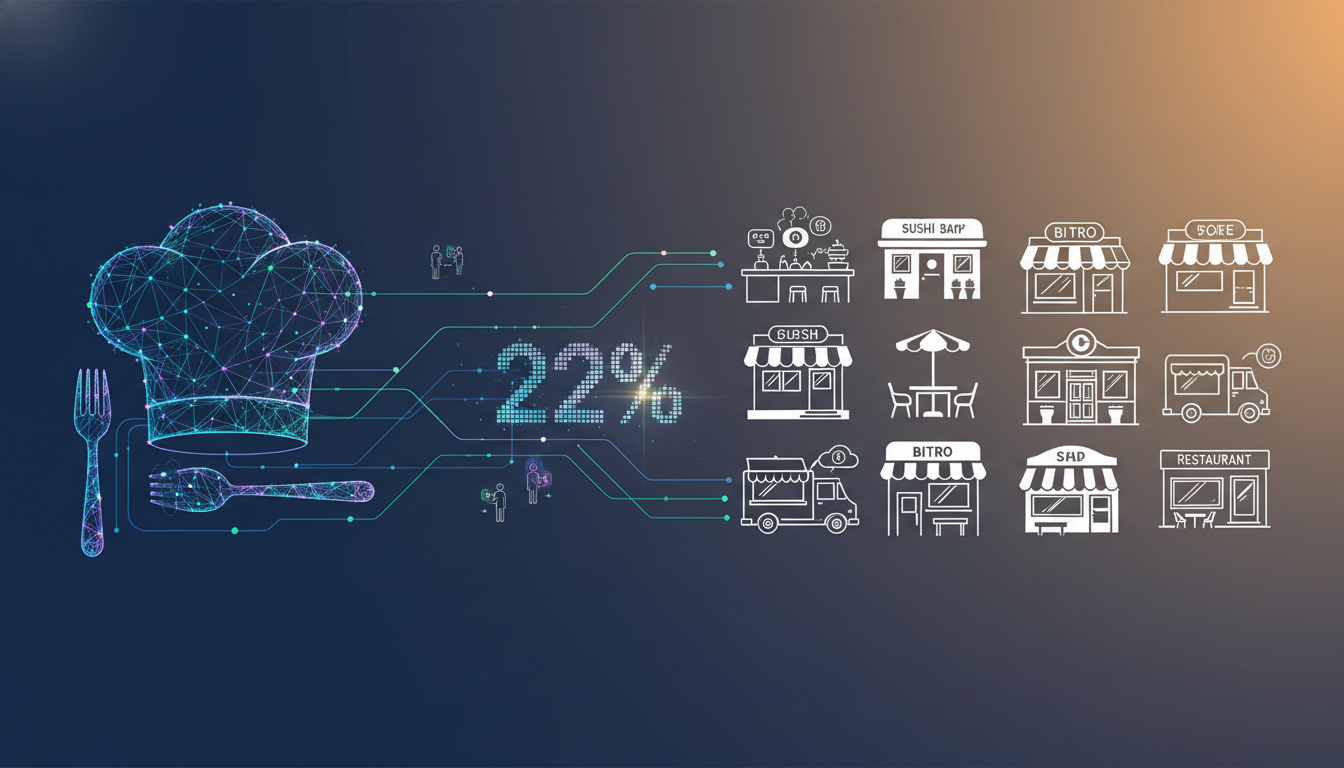
The dining scene is undergoing a digital transformation, thanks to the increasing integration of artificial intelligence (AI) in everyday consumer activities. According to DoorDash's 2026 Restaurant Industry Trends Report, 22% of diners are now turning to AI tools such as ChatGPT and Google Gemini to help them discover new restaurants. This shift not only highlights the growing influence of AI in daily decision-making but also presents both challenges and opportunities for restaurant operators.
The New Discovery Channel
AI has emerged as a meaningful new discovery channel, standing alongside traditional methods like search engines, social media, and word of mouth. This evolution introduces a critical gap between consumer adoption and operator readiness. While consumers are increasingly relying on AI for restaurant recommendations, many restaurant operators have yet to adapt to this change.
One of the key insights from the report is the influence of restaurant listing sites, which account for over 41% of the sources AI tools utilize when recommending dining options. This statistic underscores the importance of a restaurant's digital presence. Ensuring that information on these platforms is accurate and up-to-date is crucial for maintaining visibility in AI-driven searches.
Enhancing Digital Footprints
In response to the AI-driven discovery trend, some operators are taking proactive steps to bolster their digital presence. Approximately 39% have updated their menu information, 34% are actively managing customer reviews, and 32% are improving the quality of their photographs. These efforts are vital, as AI tools rely heavily on these signals when generating recommendations for users. By focusing on these areas, restaurants can enhance their competitive edge in the AI-driven search landscape.
The Reservation Challenge
One of the most glaring operational challenges highlighted by the report is in the reservation process. Despite the fact that 75% of consumers express comfort with AI-assisted reservations, only 28% of operators currently leverage AI for managing calls and customer service. This discrepancy results in a significant opportunity loss, with an estimated 40% of reservation calls going unanswered industry-wide.
This gap represents a direct revenue loss and highlights the need for operators to embrace AI solutions that can handle reservations more efficiently. By doing so, restaurants can ensure that potential customers are not lost to unanswered calls and that front-of-house staff can focus on delivering a superior in-person guest experience.
AI's Role in Customer Experience
Adopting AI tools for managing reservations and customer inquiries not only addresses operational inefficiencies but also enhances the overall customer experience. By freeing up front-of-house staff from the demands of handling phone calls, restaurants can ensure that their teams are more focused on the guests in front of them. This shift allows for a more personalized and attentive service, potentially increasing customer satisfaction and loyalty.
Moreover, as AI continues to grow as a discovery tool, its impact on customer expectations cannot be ignored. Diners increasingly expect seamless interactions with restaurants, from discovering a venue to making a reservation. By integrating AI into their operations, restaurants can meet these expectations and potentially exceed them, fostering a competitive advantage in a crowded market.
Preparing for the Future
The findings from the DoorDash report illustrate a clear need for restaurant operators to close the gap between consumer expectations and operational capabilities. As AI adoption continues to rise among diners, the importance of a strong digital strategy becomes ever more critical.
For restaurant operators, this means investing in AI technologies that can streamline operations and enhance customer interactions. It also means prioritizing the quality and accuracy of their online presence, ensuring that they remain visible and appealing to AI tools used by potential customers.
In conclusion, the AI dining revolution is well underway, with a significant portion of diners already utilizing AI tools to help them choose where to eat. For restaurant operators, the challenge is to keep pace with these technological advancements, ensuring that they are not only meeting but exceeding the expectations of a tech-savvy consumer base. By embracing AI, restaurants can capture demand more effectively and position themselves for success in an increasingly digital world.
Saksham Gupta
Founder & CEOSaksham Gupta is the Co-Founder and Technology lead at Edubild. With extensive experience in enterprise AI, LLM systems, and B2B integration, he writes about the practical side of building AI products that work in production. Connect with him on LinkedIn for more insights on AI engineering and enterprise technology.