AI Unmasked: CEOs Admit the Inevitable Replacement of Workers
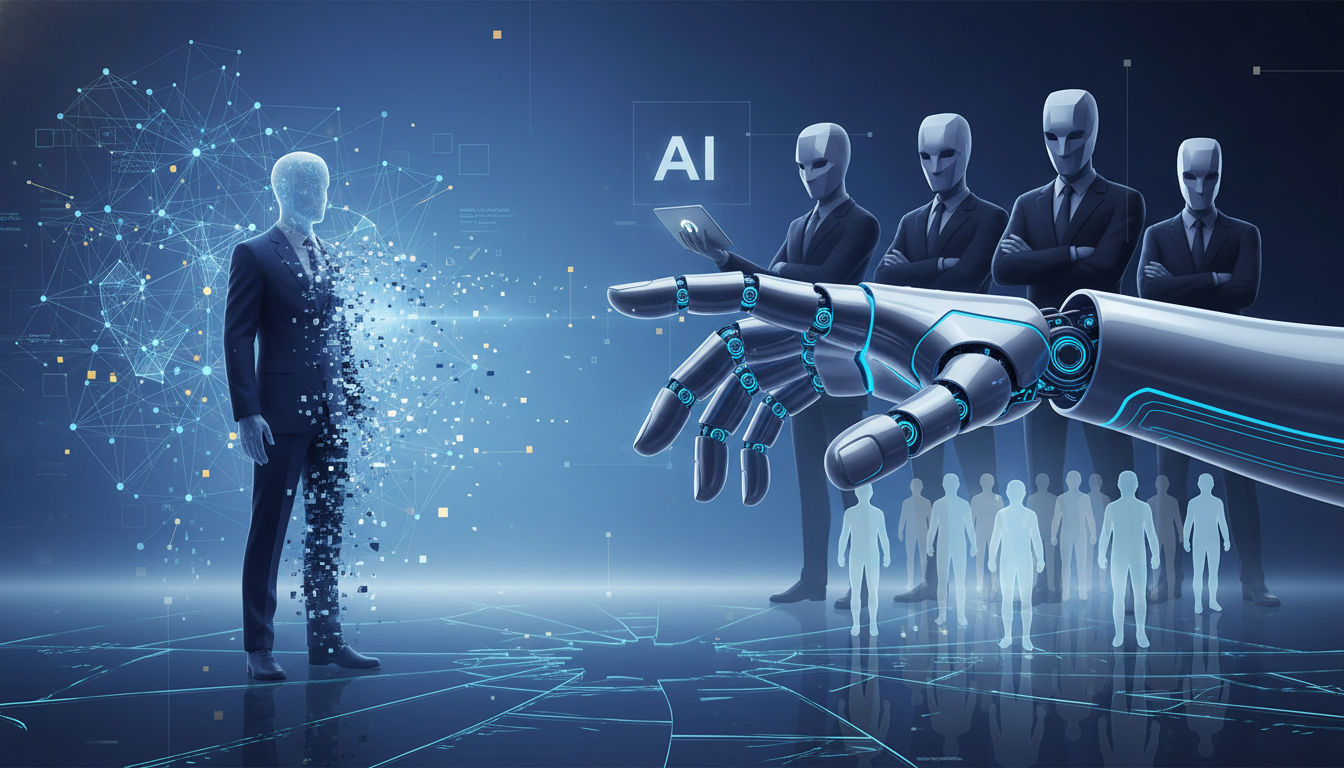
In recent years, the narrative surrounding artificial intelligence (AI) in the workplace has been one of enhancement and support. Executives across industries have consistently reassured employees that AI technology was intended to augment human capabilities, not replace them. However, the events of this week mark a significant shift in this narrative, as several prominent CEOs have openly acknowledged the role of AI in workforce reductions.
The Shift in CEO Communication
Historically, the integration of AI in business operations was framed as a way to boost efficiency and productivity. Yet, the recent statements by CEOs from major corporations such as Standard Chartered, HSBC, and Meta have unveiled a stark reality: AI is actively being used to replace human labor. This change in messaging reflects a broader acceptance of job displacement as an unavoidable consequence of technological advancement.
Standard Chartered's CEO, Bill Winters, exemplified this shift by announcing significant job cuts, not as a means of cost-cutting, but as a strategic replacement of "lower-value human capital" with technological investment. This language underscores a decisive move towards embracing AI as a substitute for human roles, rather than merely a tool of enhancement.
A New Era of Workforce Transition
The candid announcements from these CEOs highlight a new era where job displacement due to AI is not just a possibility, but a strategic choice. HSBC's CEO, Georges Elhedery, explicitly stated that generative AI would lead to the destruction of certain jobs while also creating new opportunities. His call for employees to join the transition rather than resist it indicates a push towards acceptance of this inevitable shift.
Meta's recent layoff of approximately 8,000 employees further illustrates this trend. As the company redirects substantial resources towards AI infrastructure, it becomes clear that the focus is now on long-term technological investments rather than maintaining existing workforce levels.
Investor and Market Reactions
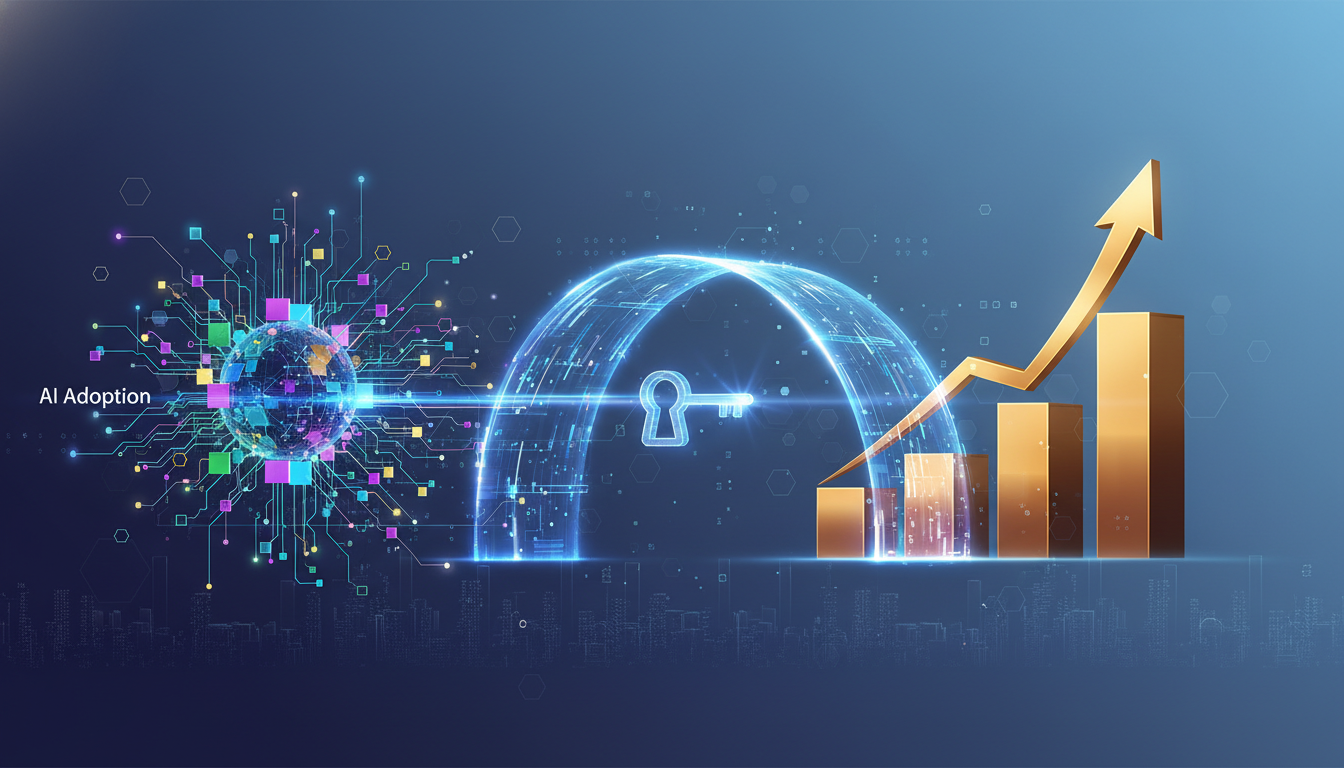
Interestingly, the market has responded positively to these announcements. Standard Chartered and Meta reported notable gains in their stock prices following their respective layoff announcements. This investor approval suggests that the decision to prioritize AI is being viewed as a forward-thinking strategy aimed at enhancing efficiency and returns in the long run.
The remarks made during investor-facing events also emphasize the strategic importance of AI in shaping corporate futures. By openly discussing the implications of AI, these executives are aligning their companies' trajectories with technological advancements, signaling to investors that they are prepared to navigate the challenges and opportunities presented by AI.
The Broader Implications
The language used by these CEOs indicates a broader shift in how companies approach AI integration. The transition from promoting AI as a productivity tool to acknowledging it as a catalyst for job displacement marks a significant change in the implicit contract between employers and employees. This newfound honesty, although unsettling, is a necessary step toward preparing workforces for a future where AI plays an increasingly dominant role.
As organizations navigate this transition, there is also a parallel narrative of retraining and upskilling. Both HSBC and Standard Chartered have emphasized the potential for AI to make employees "more productive versions of themselves" and have suggested that affected staff may find new roles within the company. This dual narrative highlights the complexity of managing workforce transformations in the age of AI.
Conclusion
The recent announcements by major corporations signal a transformative moment in the relationship between AI and the workforce. By candidly acknowledging the role of AI in job displacement, CEOs are setting the stage for a more transparent dialogue about the future of work. While the implications of these changes are profound, they also present an opportunity for organizations and employees to adapt and thrive in an AI-driven landscape.
As the pace of AI integration accelerates, it is crucial for both businesses and workers to embrace this evolution. New opportunities will emerge alongside the challenges, and those who are prepared to adapt will be best positioned to succeed in this rapidly changing environment.
Saksham Gupta
Founder & CEOSaksham Gupta is the Co-Founder and Technology lead at Edubild. With extensive experience in enterprise AI, LLM systems, and B2B integration, he writes about the practical side of building AI products that work in production. Connect with him on LinkedIn for more insights on AI engineering and enterprise technology.