Anthropic's New AI Agents: The Future of Finance or the End of Jobs?
In the rapidly evolving landscape of financial services, the introduction of Anthropic's new AI agents marks a significant milestone. These 10 specialized agents promise to revolutionize key financial processes such as pitchbook creation, Know Your Customer (KYC) procedures, and month-end financial closing. However, as with any technological advancement, the implications are twofold. On one hand, these tools offer unprecedented efficiency and accuracy; on the other, they raise concerns about potential job losses within the industry.
The Promise of Efficiency
Anthropic's financial agents, powered by the advanced Claude Opus 4.7, are designed to seamlessly integrate into existing financial operations. These agents can take over mundane yet essential tasks that have traditionally been the purview of entry-level and mid-level financial professionals. For instance, the Pitchbook Builder can swiftly compile target lists, run comparisons, and draft pitchbooks, tasks that would typically consume countless hours of human labor. Similarly, the Model Builder is capable of creating and maintaining complex financial models using data from various sources.
The efficiency of these AI agents is not just theoretical. They are designed to be deployed within days, significantly reducing the time and resources required for on-boarding new technologies. By automating these labor-intensive tasks, financial institutions can potentially see an increase in productivity and a reduction in operational costs.
The Reality of Job Displacement
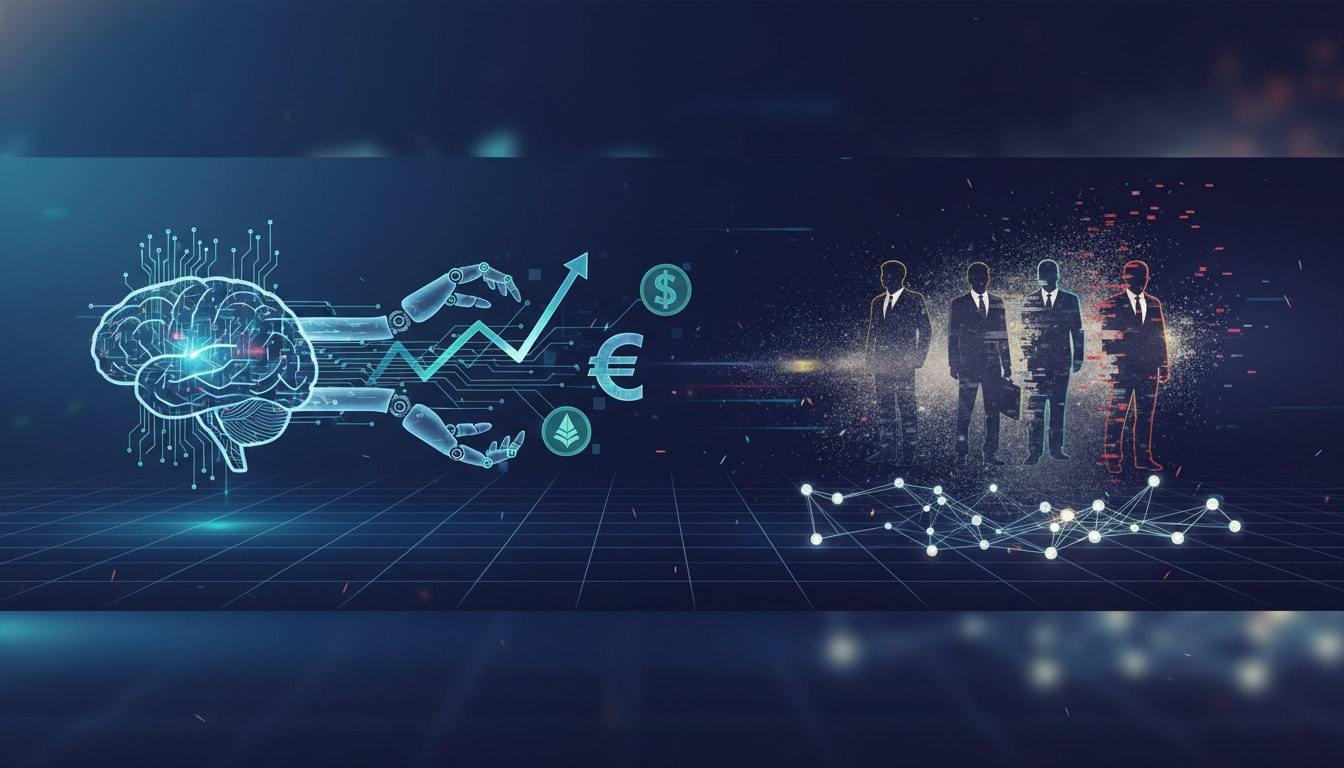
Despite the undeniable advantages, the deployment of AI agents in finance is not without its downsides. The financial sector has already seen significant job cuts, with 15,000 positions eliminated in the first quarter of 2026 alone, coinciding with record profits and increased AI adoption. This trend is likely to continue as AI agents become more prevalent, taking over roles that were previously stepping stones for career progression in finance.
The automation of pitchbook creation, for example, directly impacts the traditional career ladder in investment banking. Junior analysts and associates, who would have spent years honing their skills on such tasks, find their roles diminishing. Consequently, the natural progression to higher roles like Vice President becomes less attainable, narrowing the entry points into the industry.
Redeployment and the Future Workforce
In response to these shifts, financial institutions are contemplating redeployment strategies for employees displaced by AI. JPMorgan CEO Jamie Dimon has highlighted the bank’s plans to redeploy affected staff into other areas. However, this transition is easier said than done. It requires substantial investment in reskilling programs and a shift in organizational culture to embrace new roles that AI cannot fill.
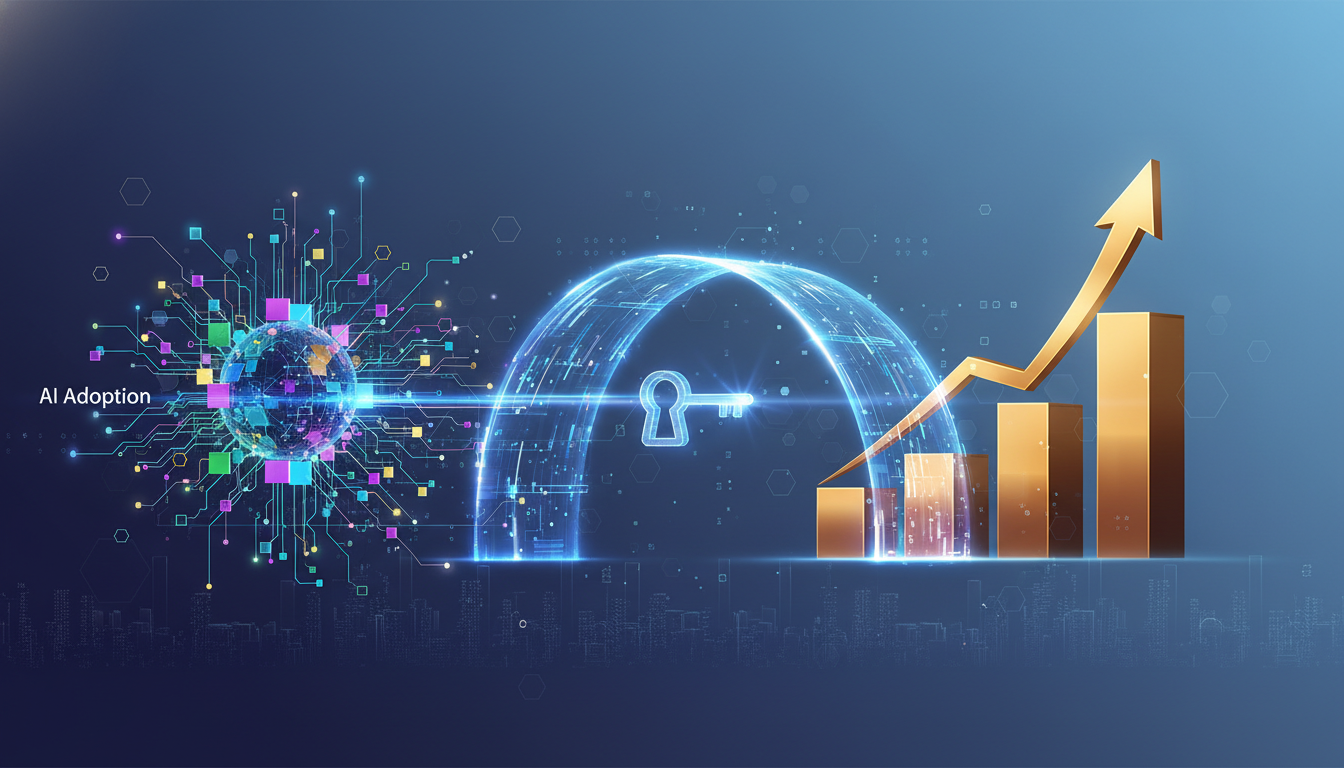
Anthropic's CEO, Dario Amodei, points out that the true barrier to AI integration is not the capability of the technology but the pace at which large enterprises can adopt it. This presents both a challenge and an opportunity for the financial sector. Institutions that can quickly adapt to this new paradigm will likely gain a competitive edge, while those that lag may struggle to remain relevant.
The Expanding AI Ecosystem
The introduction of Anthropic's agents is part of a broader trend towards integrating AI with existing financial systems. These agents are not standalone tools; they connect to a growing network of financial data providers, offering real-time access to a wealth of information. This connectivity is further enhanced by integrations with popular software like Microsoft Excel and PowerPoint, allowing seamless transition of data across different platforms.
Such integrations highlight the potential for AI to not only replace existing tasks but also to enhance them by providing deeper insights and more comprehensive analyses. Financial institutions that leverage these capabilities can expect to see improved decision-making processes and more robust risk management strategies.
Conclusion
Anthropic's new AI agents represent a pivotal development in the financial services industry. They offer the promise of increased efficiency and accuracy but also pose significant challenges in terms of workforce displacement. As the industry navigates this transition, the focus will need to be on balancing technological advancement with the human element. Redeployment strategies, reskilling programs, and a commitment to integrating AI in a way that complements human capabilities will be crucial. The future of finance is undoubtedly intertwined with AI, and how the industry adapts will determine whether it thrives or struggles in the years to come.
Saksham Gupta
Founder & CEOSaksham Gupta is the Co-Founder and Technology lead at Edubild. With extensive experience in enterprise AI, LLM systems, and B2B integration, he writes about the practical side of building AI products that work in production. Connect with him on LinkedIn for more insights on AI engineering and enterprise technology.