How EdubildAI's Document AI Solutions Streamline Contract Metadata Extraction for Enhanced Enterprise Workflow Efficiency
Hook
In the complex environment of enterprise operations, contracts are the backbone of compliance, risk management, and operational efficiency. Yet, extracting actionable insights from these documents often remains a daunting task due to their unstructured nature and the variability in legal language. Enterprises find themselves struggling to automate contract management, leading to inefficiencies and potential compliance risks.
Answer-first summary
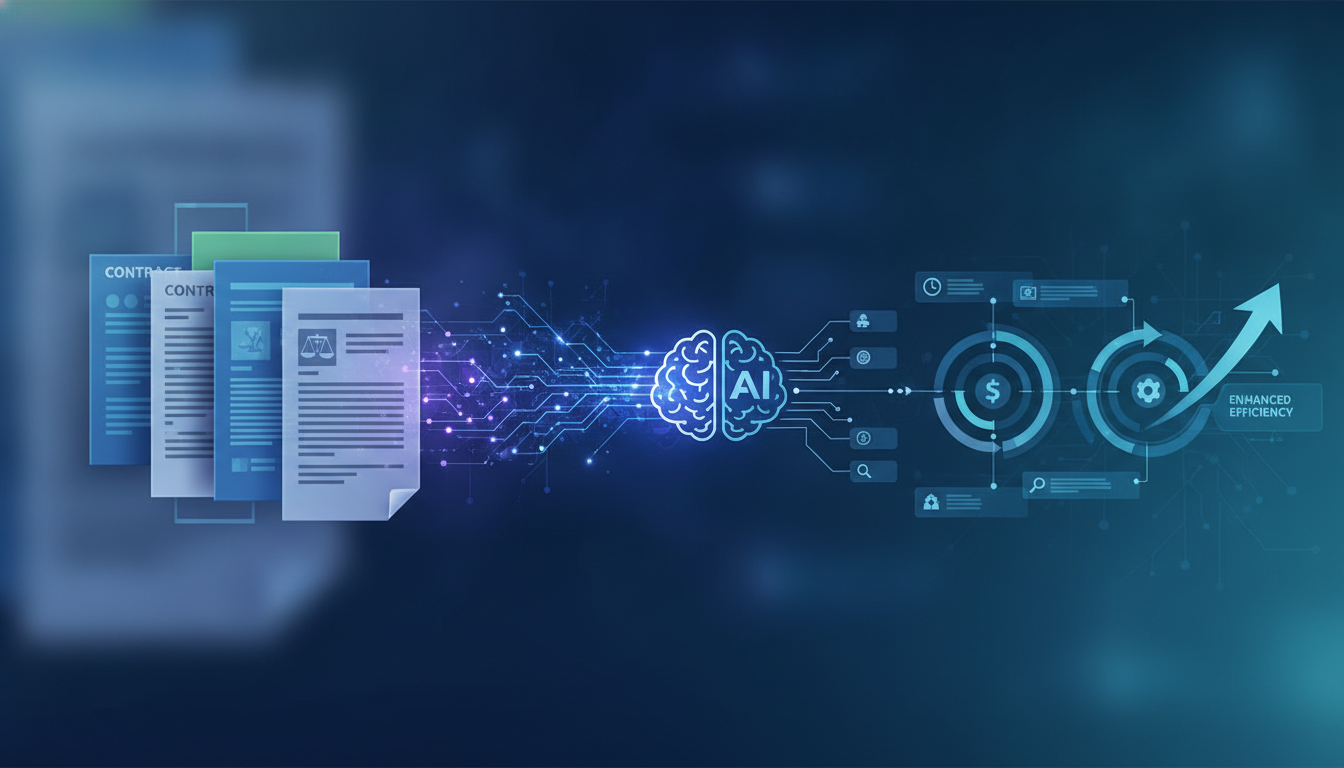
EdubildAI's Document AI solutions tackle the challenges of contract metadata extraction by using advanced techniques like layout-aware parsing and semantic extraction. This transforms unstructured contracts into structured data, enhancing workflow efficiency and compliance across enterprise operations. By implementing these solutions, enterprises can automate the extraction of critical information such as payment terms and termination clauses, ensuring better governance and reduced risk.
Why is Contract Metadata Extraction Challenging?
Contracts differ significantly from other documents due to their variability in structure and language. Unlike invoices or forms, contracts can have diverse layouts and terminology. For instance, a payment term might be labeled under various headings like "Commercial Terms" or "Fees and Charges." This inconsistency demands sophisticated parsing capabilities beyond traditional OCR systems, which often fail to capture the contractual meaning accurately.
Moreover, contracts often contain multi-column layouts, scanned signatures, and nested clauses, making it essential for metadata extraction systems to recognize and preserve these structural relationships. Without this, the extracted data loses its contextual integrity, leading to potential misinterpretations and compliance issues.
How Does EdubildAI's Document AI Solutions Work?
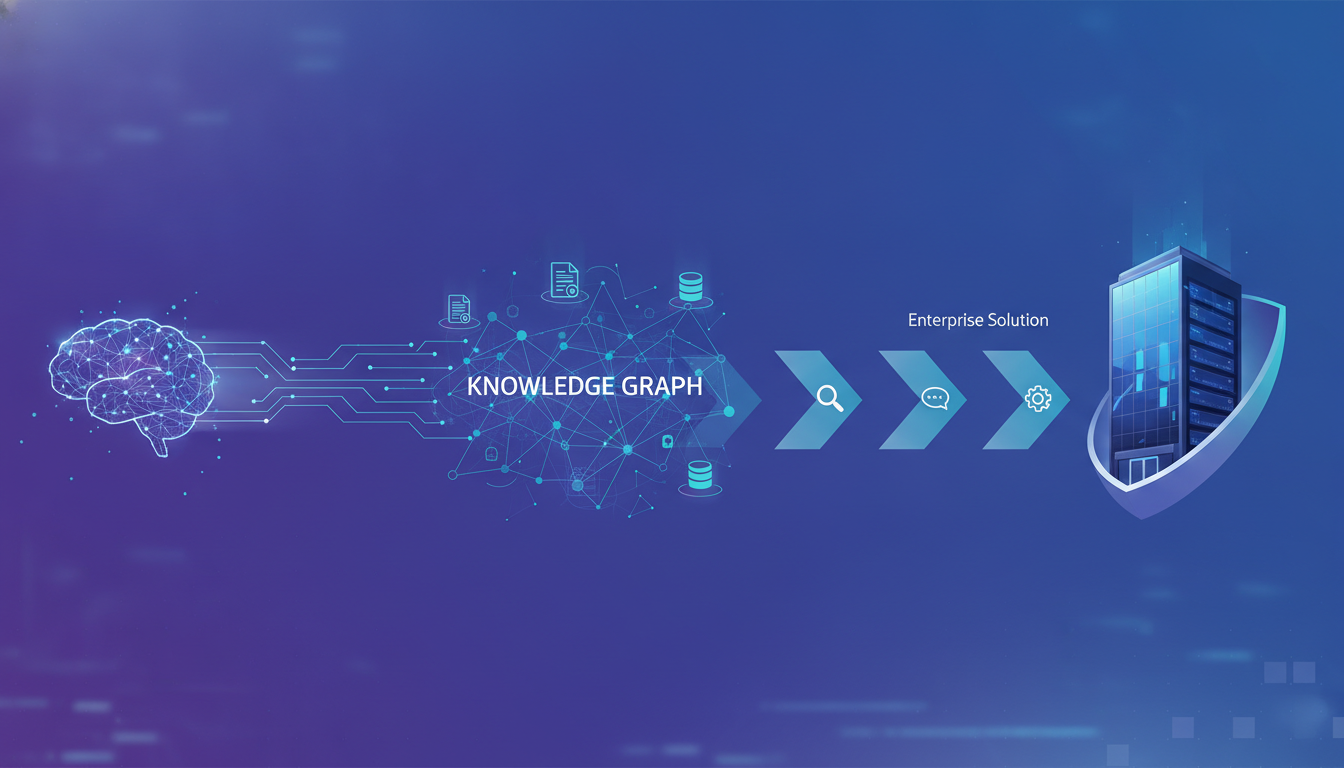
EdubildAI employs a multi-stage approach to contract metadata extraction, starting with document ingestion and normalization. Documents are transformed into standardized formats, ensuring consistent parsing regardless of their source. This is crucial for handling various inputs like PDFs, scanned files, and compressed archives.
Next, layout-aware parsing analyzes the document's structural components, preserving the relationships between different sections. This approach is vital for understanding the hierarchy and context of obligations within contracts. Following this, semantic extraction identifies and categorizes key clauses, transforming them into machine-readable data that can be integrated into broader enterprise workflows.
What Real-World Challenges Do Enterprises Face?
Enterprises face numerous challenges in contract metadata extraction, including the variability in legal language and the complexity of multi-document relationships. Legal terms may vary significantly across documents, making it difficult to maintain consistency in extraction processes. Additionally, governance and compliance requirements necessitate accurate and reliable data extraction.
EdubildAI's solutions address these challenges by using advanced AI techniques to distinguish between similar yet materially different clauses, such as conditional versus automatic renewal clauses. This ensures that enterprises can manage compliance obligations and vendor risk effectively.
How Does Contract Metadata Extraction Enhance Enterprise Workflows?
By transforming contracts into structured data, EdubildAI's solutions enable enterprises to automate workflows and improve efficiency. For instance, contract lifecycle management (CLM) systems can use extracted metadata for better compliance monitoring and renewal tracking. This reduces manual oversight and accelerates decision-making processes.
Furthermore, integrating structured contract data into existing enterprise systems, like ERP solutions, enhances operational capabilities. Enterprises can streamline procurement controls, manage vendor risks, and ensure compliance with ease, significantly improving their overall workflow efficiency.
Implementation Considerations
When implementing EdubildAI's Document AI solutions, enterprises need to consider the integration with existing systems and workflows. A thorough assessment of current document management practices is essential to identify areas where automation can provide the most value. Additionally, training and support for users are crucial to maximize the benefits of these solutions.
It is also important to consider data privacy and compliance requirements, especially in sectors with stringent regulations. EdubildAI's solutions can be tailored to meet these needs, ensuring that sensitive information is handled securely and in compliance with industry standards.
FAQ
What types of documents can EdubildAI's solutions handle? EdubildAI's solutions can process a wide range of documents, including digitally generated PDFs, scanned files, and compressed archives, ensuring consistent and reliable metadata extraction.
How does layout-aware parsing benefit contract metadata extraction? Layout-aware parsing preserves the structural relationships within a document, allowing for accurate extraction of contractual obligations and ensuring the integrity of the extracted data.
Can EdubildAI's solutions integrate with existing enterprise systems? Yes, EdubildAI's solutions are designed to integrate seamlessly with existing enterprise systems such as ERP and CLM platforms, enhancing workflow efficiency and operational capabilities.
Closing call-to-action
To explore how EdubildAI can enhance your enterprise workflows through advanced document AI solutions, contact us today.
Saksham Gupta
Founder & CEOSaksham Gupta is the Co-Founder and Technology lead at Edubild. With extensive experience in enterprise AI, LLM systems, and B2B integration, he writes about the practical side of building AI products that work in production. Connect with him on LinkedIn for more insights on AI engineering and enterprise technology.