Fortifying the Future: 5 Essential Strategies to Secure AI Systems
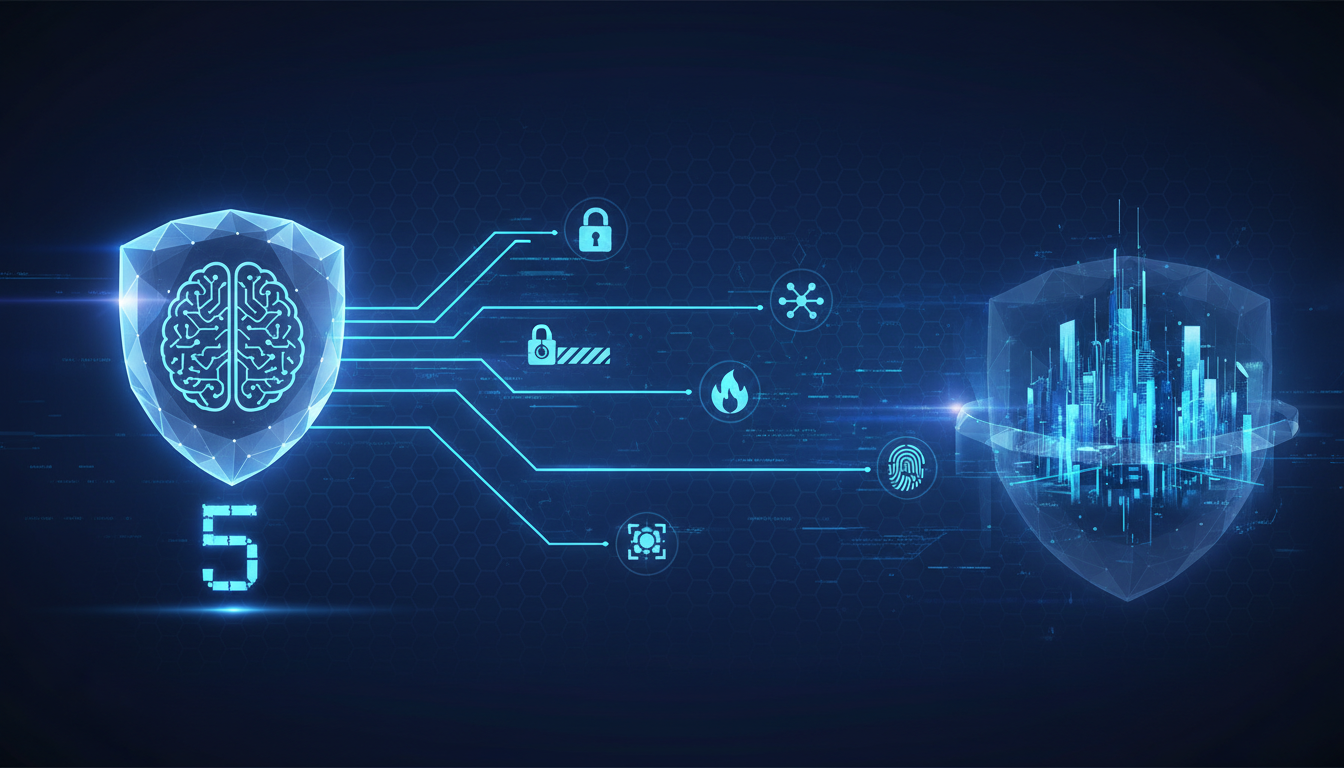
In the rapidly evolving landscape of artificial intelligence, security poses an increasingly complex challenge. As AI systems become integral to critical operations across industries, they also become attractive targets for malicious activities. Traditional security frameworks fall short when it comes to addressing the unique vulnerabilities of AI, thus necessitating a multi-layered approach tailored to these advanced systems. Below are five essential strategies to safeguard AI systems effectively.
Enforce Strict Access and Data Governance
One of the most crucial steps in securing AI systems is implementing strict access and data governance policies. AI models rely heavily on the data they process, and ensuring that only authorized personnel have access to this data is vital. Role-based access control (RBAC) is an effective measure, allowing permissions to be assigned based on specific job functions. This ensures that sensitive AI models are only handled by individuals with the appropriate authorization.
Encryption further enhances data protection. It is essential to encrypt AI models and training data both at rest and in transit. This is particularly crucial when dealing with proprietary information or personal data, as leaving such data unencrypted exposes it to potential breaches. A robust data governance framework acts as a protective barrier, securing valuable assets from unauthorized access.
Defend Against Model-Specific Threats
AI models are susceptible to unique threats that conventional security measures may not address effectively. For instance, prompt injection attacks, a top vulnerability for large language model applications, occur when attackers insert malicious instructions into inputs, altering model behavior. To mitigate such risks, deploying AI-specific firewalls that validate and sanitize inputs before they reach the models is imperative.
Additionally, regular adversarial testing, akin to ethical hacking for AI, should be conducted. Red team exercises simulate real-world attack scenarios, such as data poisoning and model inversion, to identify vulnerabilities before they can be exploited by threat actors. These exercises must be integrated into the AI development lifecycle to ensure continuous security robustness.
Maintain Detailed Ecosystem Visibility
AI environments are complex, often spanning on-premise networks, cloud infrastructures, email systems, and endpoints. Security data distributed across separate silos can create visibility gaps, allowing attackers to move undetected. To prevent this, organizations must achieve unified visibility across every layer of their digital environment.
Breaking down information silos between network monitoring, cloud security, identity management, and endpoint protection is essential. By consolidating telemetry from all these sources into a single view, security teams can correlate suspicious activities and form a comprehensive threat picture. This holistic approach is crucial for identifying coordinated attacks that might otherwise go unnoticed.
Adopt a Consistent Monitoring Process
Given the dynamic nature of AI systems, security cannot be a one-time configuration. Models are continuously updated, data pipelines evolve, and the threat landscape shifts rapidly. Traditional rule-based detection tools struggle to keep pace with these changes, as they rely on known attack signatures rather than real-time behavioral analysis.
Continuous monitoring bridges this gap by establishing a baseline of normal behavior for AI systems and flagging deviations as they occur. This approach can detect unusual activity in real-time, whether it involves unexpected model outputs, changes in API call patterns, or unauthorized data access. Automated monitoring tools that adapt to evolving patterns are essential for identifying stealthy, prolonged attacks.
Develop a Clear Incident Response Plan
Despite robust preventive measures, incidents are inevitable. Without a predefined response plan, organizations may make hasty decisions under pressure, exacerbating the impact of a breach. An effective AI incident response plan should encompass containment, investigation, eradication, and recovery.
- Containment limits the immediate impact by isolating affected systems.
- Investigation determines the breach's scope and origin.
- Eradication involves removing the threat and patching vulnerabilities.
- Recovery focuses on restoring normal operations with enhanced security measures.
AI-specific recovery steps, such as retraining models affected by corrupted data, should be part of this plan. Prepared teams can minimize downtime and reduce reputational damage, ensuring a quicker return to normalcy.
Charting a Secure Future for Artificial Intelligence
As AI systems advance, so will the sophistication of threats targeting them. Securing these systems requires a proactive, adaptive strategy built on prevention, continuous visibility, and rapid response. By implementing these foundational practices, organizations can fortify their AI infrastructure against emerging risks and ensure the resilience of their operations in an increasingly digital world.
Saksham Gupta
Founder & CEOSaksham Gupta is the Co-Founder and Technology lead at Edubild. With extensive experience in enterprise AI, LLM systems, and B2B integration, he writes about the practical side of building AI products that work in production. Connect with him on LinkedIn for more insights on AI engineering and enterprise technology.