Intuit's Bold Move: Embracing AI While Cutting 3,000 Jobs
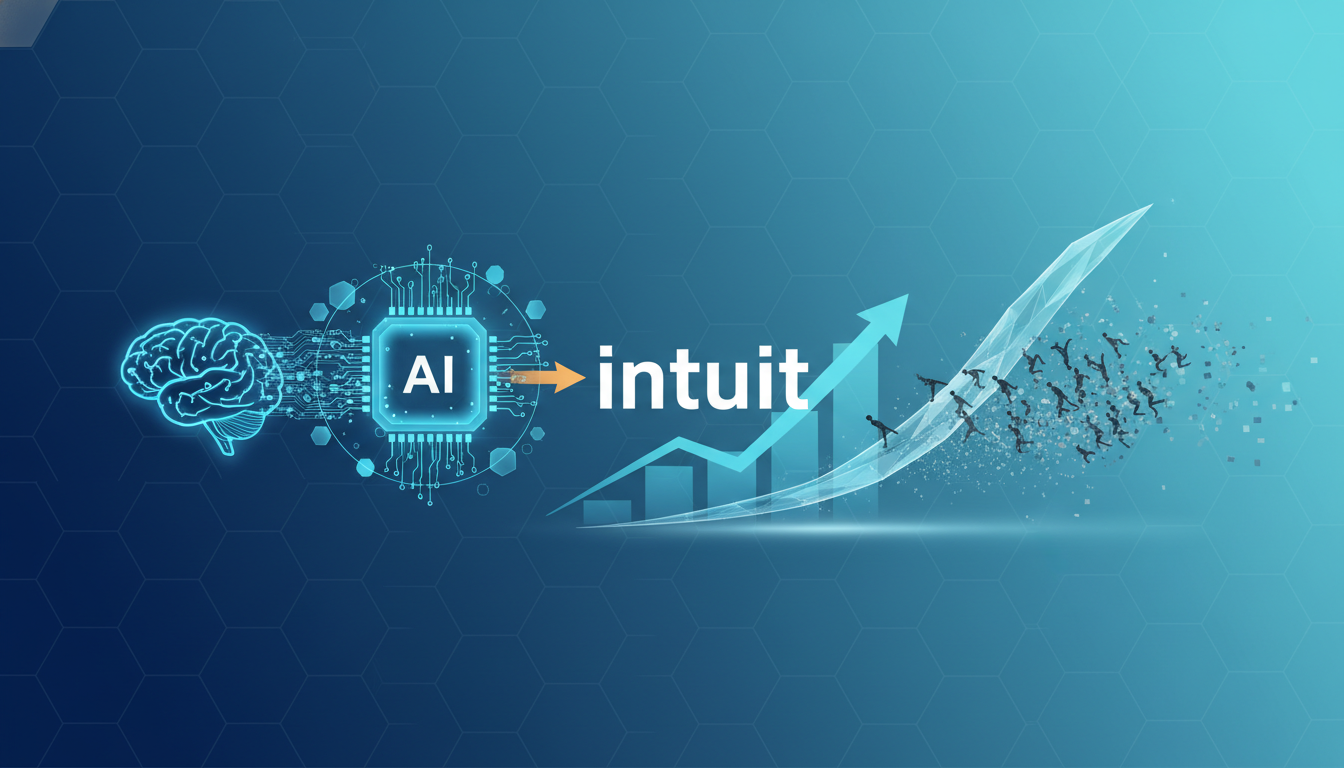
Intuit, the renowned financial software company, recently announced a significant restructuring move that includes laying off approximately 3,000 employees, which constitutes about 17% of its global workforce. The decision comes amidst the company's strategic pivot towards enhancing its artificial intelligence (AI) capabilities. This move not only reflects the broader trend within the tech industry but also highlights Intuit's commitment to integrating advanced technology into its suite of financial products.
The Rationale Behind the Layoffs
The restructuring is primarily driven by Intuit's goal of reducing organizational complexity and streamlining operations. By doing so, the company aims to enhance execution and improve the delivery of its products. CEO Sasan Goodarzi communicated to employees that these changes are crucial for Intuit to maintain its competitive edge in the rapidly evolving financial technology landscape. The company's partnerships with AI pioneers such as OpenAI and Anthropic underscore this transition, as they aim to incorporate AI-driven insights and automation into products like TurboTax, QuickBooks, Credit Karma, and Mailchimp.
Impact on Intuit's Workforce
The layoffs, although significant, are part of a calculated effort to realign resources and invest in AI initiatives. Employees affected by this decision are to receive severance packages, including 16 weeks of base pay and additional compensation based on tenure. While this restructuring might seem daunting, it is essential to recognize that Intuit is not alone in this endeavor. Other major technology companies, such as Amazon and Pinterest, have also embarked on similar paths, trimming their workforces while ramping up investments in AI and automation.
The Broader Industry Trend
Intuit's decision mirrors a broader trend in the technology sector, where companies are increasingly channeling resources towards AI infrastructure and automation systems. The year has witnessed over 111,000 layoffs in the tech industry, with companies using AI as a catalyst for restructuring. However, it is crucial to understand that AI's role in these layoffs is complex. While AI can enhance efficiency and productivity, its implementation often leads to organizational changes that include workforce reductions.
The Debate on AI and Workforce Reductions
The intersection of AI and workforce reductions is a topic of ongoing debate. Some industry leaders argue that AI serves as a justification for layoffs that were already on the horizon, while others see it as an enabler of more efficient operations. In Intuit's case, the layoffs are positioned as a means to sharpen focus and improve execution, rather than merely cutting costs. This distinction is critical as companies navigate the delicate balance between leveraging AI advancements and maintaining their workforce.
Intuit's Vision for the Future
Despite the immediate challenges, Intuit remains committed to its vision of becoming a leading AI-driven financial technology platform. By collaborating with AI innovators and integrating advanced technologies into its products, Intuit is poised to offer more personalized and intelligent financial solutions to its users. This strategic focus not only ensures the company's relevance in the digital age but also positions it as a pioneer in the AI-financial technology space.
Conclusion
Intuit's decision to lay off a significant portion of its workforce while doubling down on AI investments is a bold move that underscores the dynamic nature of the tech industry. While the immediate impact on employees is challenging, the company's long-term vision aims to harness AI's potential to deliver superior financial solutions. As the tech landscape continues to evolve, Intuit's strategic shift serves as a testament to the transformative power of AI in shaping the future of financial technology.
Saksham Gupta
Founder & CEOSaksham Gupta is the Co-Founder and Technology lead at Edubild. With extensive experience in enterprise AI, LLM systems, and B2B integration, he writes about the practical side of building AI products that work in production. Connect with him on LinkedIn for more insights on AI engineering and enterprise technology.