Revolutionizing Advertising: Google's AI-Driven Demand Gen Platform Takes Center Stage
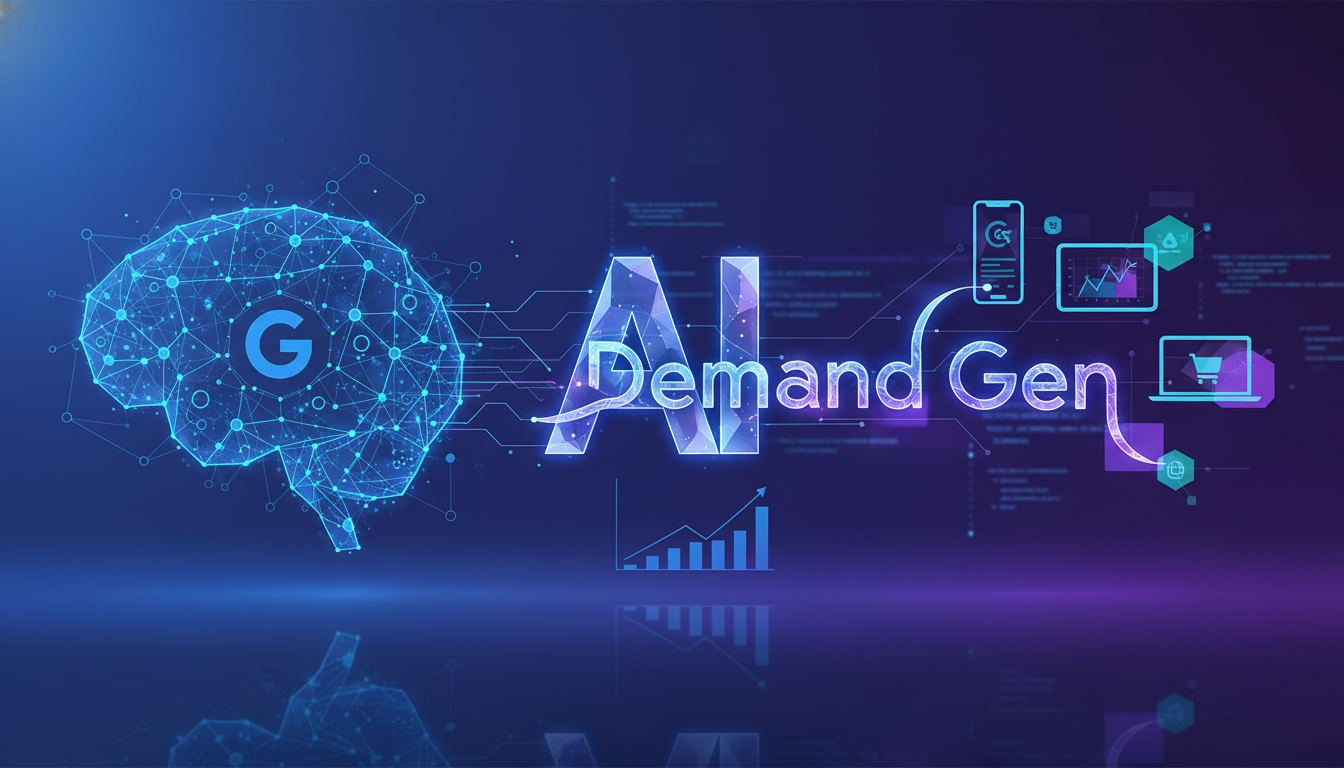
The world of advertising is witnessing a seismic shift as Google integrates its long-standing Display Ads into an AI-centric Demand Gen platform. This move marks a significant change in how businesses approach digital marketing, transitioning from traditional methods to advanced, AI-driven strategies. As the digital landscape evolves, marketers are compelled to adapt to new technologies that promise to streamline processes and enhance audience engagement.
The Evolution of Display Advertising
For nearly two decades, the Google Display Network (GDN) has served as a cornerstone for digital advertisers. This platform enabled marketers to target specific audiences, manage bids, and test creative content across a plethora of websites. However, with the rise of full-screen video formats on platforms such as TikTok and Instagram, traditional banner ads are losing their appeal. Google's AI-powered Demand Gen platform is designed to address this challenge by offering a more dynamic approach to advertising.
Introducing Google's Demand Gen Platform
Google's Demand Gen platform represents a paradigm shift in digital advertising. Instead of manual controls, this new system leverages AI to automate the creation and placement of ads across various Google properties, including YouTube, Discover, and Gmail. By utilizing machine learning, the platform can tailor ads to specific business goals, using a collection of creative assets supplied by marketers. The AI tests different combinations of images, videos, and headlines to optimize ad performance across multiple formats.
Shifting Creative Production
The transition to Google's Demand Gen platform necessitates a rethinking of creative processes. Traditional workflows, which often relied on static content, are giving way to a need for diverse, adaptable assets. Creative teams must now focus on producing a higher volume of flexible content that Google's AI can dynamically assemble. This shift not only changes how content is created but also how it is measured.
Rethinking Advertising Metrics
As automation becomes the norm, traditional metrics such as click-through rates (CTR) and cost-per-click (CPC) are becoming less relevant. Instead, the success of advertising campaigns is increasingly evaluated based on broader business outcomes like customer acquisition cost and return on ad spend. This change requires tighter integration between advertising platforms and a company's business intelligence systems to provide real-time conversion data, ensuring the AI operates effectively.
The Industry-Wide Impact
Google is not alone in this AI-driven advertising evolution. Other industry giants, like Meta, are also adopting similar strategies with their Advantage+ campaigns, which automate targeting, creative, and placement. This shift signifies a move from renting ad space to commissioning AI agents that actively seek out potential customers. As AI becomes more integral to advertising strategies, marketing leaders must adapt their teams, technology, and strategies to remain competitive.
Adapting to the New Advertising Landscape
The integration of AI into advertising requires businesses to embrace new approaches and technologies. Marketers must now focus on creating content that is both versatile and engaging, allowing AI systems to test and optimize ads in real-time. Additionally, companies must ensure that their data infrastructure can support these advanced systems, providing the necessary insights to drive successful campaigns.
Looking Ahead
The future of advertising is undoubtedly intertwined with AI. As companies like Google continue to innovate, the potential for more personalized and effective marketing campaigns grows. By embracing these changes, businesses can position themselves at the forefront of the digital advertising revolution, leveraging AI to connect with audiences in more meaningful ways.
In conclusion, Google's AI-driven Demand Gen platform represents a bold step forward in the advertising industry. By integrating AI into the core of their advertising strategies, businesses can achieve greater efficiency and effectiveness in reaching their target audiences. As the landscape continues to evolve, those who adapt quickly will be best positioned to capitalize on the opportunities presented by this new era of digital marketing.
Saksham Gupta
Founder & CEOSaksham Gupta is the Co-Founder and Technology lead at Edubild. With extensive experience in enterprise AI, LLM systems, and B2B integration, he writes about the practical side of building AI products that work in production. Connect with him on LinkedIn for more insights on AI engineering and enterprise technology.