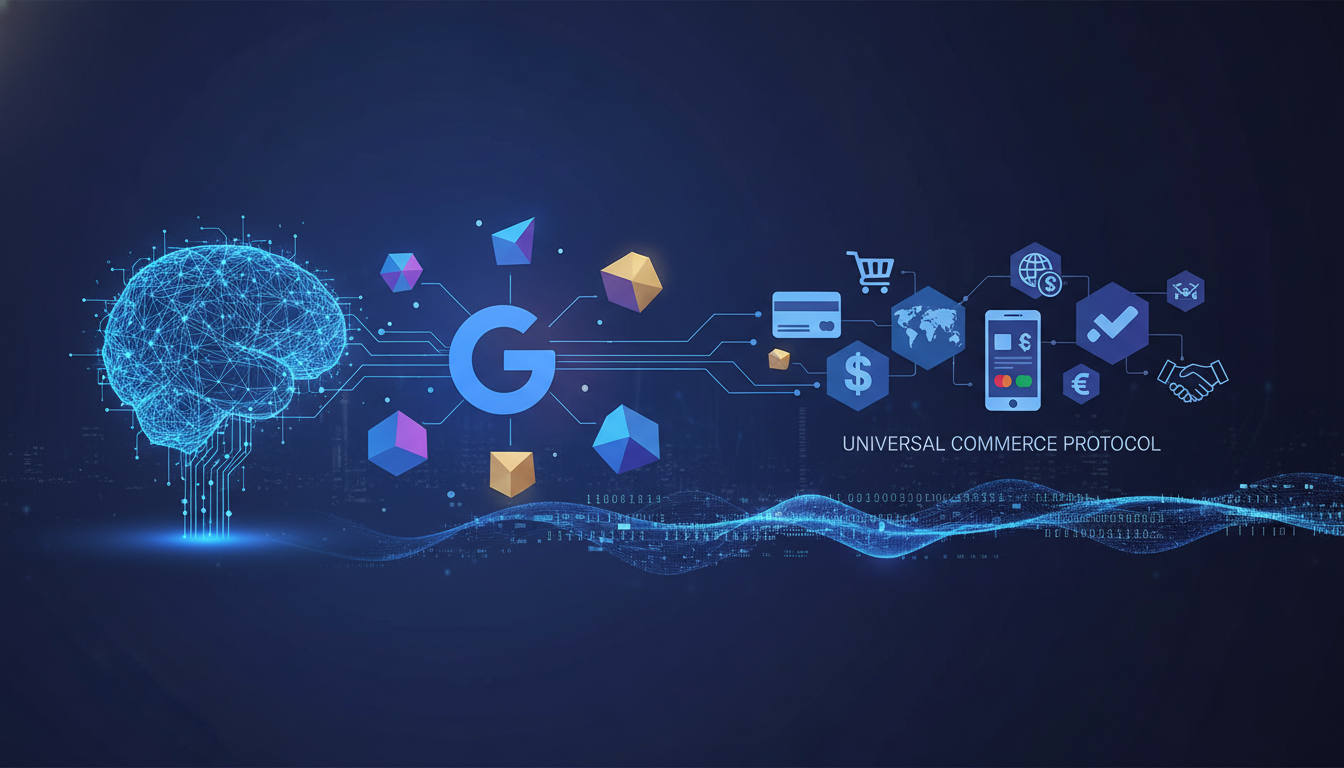
Revolutionizing Payments: How Google Pay's Universal Commerce Protocol Empowers AI Agents
In the rapidly evolving landscape of digital commerce, Google Pay is spearheading a transformative shift by introducing the Universal Commerce Protocol (UCP). This initiative is not just about enhancing the payment experience for human users but is a strategic pivot towards accommodating AI agents in the transaction ecosystem. As AI agents increasingly undertake tasks such as booking flights or ordering supplies, the need for a robust and seamless payment infrastructure becomes paramount.
The Need for a New Payment Infrastructure
Traditional payment systems have been primarily designed for human interaction, relying on visually-oriented checkout pages that AI agents find cumbersome to navigate. The current model, heavily reliant on user interfaces (UI), does not suit the automated, efficient nature of machine transactions. Recognizing this gap, Google Pay's overhaul aims to create an API-driven backend that caters specifically to machines, thus facilitating a smoother transaction process for AI agents.
Universal Commerce Protocol: A New Standard
At the heart of this transformation is the Universal Commerce Protocol. UCP offers a standardized framework that allows AI agents to communicate effectively with payment systems and merchant interfaces. By establishing a common language for initiating transactions, confirming inventory, and managing fulfillment details, UCP eliminates the need for custom integrations for each merchant or payment provider. This standardization is crucial in enabling AI agents to operate across diverse platforms without encountering compatibility issues.
Merchant Commerce Platform Server: Centralizing Transactions
Complementing the UCP is the new Merchant Commerce Platform (MCP) server, which serves as an intermediary managing merchant integrations and analyzing transaction trends. For developers, the MCP server abstracts the complexities of the commerce backend, enabling them to focus on building more sophisticated AI agents. For Google, it centralizes transaction data from AI-driven activities, providing valuable insights into emerging commerce trends and behaviors.
Enhancements for a Seamless Transaction Flow
Google Pay is not just focusing on backend improvements; it is also enhancing user-facing elements to ensure a seamless transaction flow. The introduction of dynamic callbacks within the Android Pay API allows real-time adjustments to orders, such as updating shipping costs or recalculating taxes, without necessitating a process restart. This flexibility is vital for maintaining a smooth transaction experience, even when changes occur mid-process.
Additionally, expanded WebView support allows transactions to be completed within third-party applications, such as social media platforms. This capability is critical for the burgeoning field of conversational commerce, where AI agents interact with users within these platforms to execute transactions natively.
Navigating the Realities of Machine-to-Machine Commerce
The shift towards machine-to-machine commerce requires businesses to rethink their digital presence. Marketing strategies must evolve to ensure product information is machine-readable, as AI agents rely on this data to make purchasing decisions. The introduction of the MCP server also brings considerations regarding data governance and dependency on Google's platform, prompting CIOs to weigh the benefits of a universal standard against the risks of vendor lock-in.
Establishing New Security Architectures
With autonomous agents initiating transactions, security concerns take on a new dimension. Google addresses these challenges through cross-device biometric authentication, allowing AI agents to request human verification for transactions. This approach introduces a "human-in-the-loop" security model, providing a safeguard against unauthorized purchases and establishing an audit trail for agent activities. Businesses will need to define policies for when AI agents can act autonomously versus when human intervention is necessary, intertwining corporate governance with software behavior.
Preparing for a Machine-Driven Economy
Google Pay's updates signal a significant architectural shift required to support a machine-driven economy. Enterprises that continue to view their digital presence solely as consumer-facing websites risk falling behind in this new era of commerce. By embracing these innovations, businesses can position themselves at the forefront of this transformation, harnessing the power of AI agents to streamline operations and enhance customer service.
The introduction of the Universal Commerce Protocol by Google Pay marks a pivotal moment in the evolution of digital transactions. As AI agents become more prevalent in the commerce landscape, the need for a standardized, machine-friendly payment infrastructure becomes increasingly critical. By addressing these needs, Google Pay is not only revolutionizing the payment industry but also paving the way for a more automated and efficient future.
Saksham Gupta
Founder & CEOSaksham Gupta is the Co-Founder and Technology lead at Edubild. With extensive experience in enterprise AI, LLM systems, and B2B integration, he writes about the practical side of building AI products that work in production. Connect with him on LinkedIn for more insights on AI engineering and enterprise technology.