Navigating the Chip Crisis: How AI is Reshaping Semiconductor Supply Chains
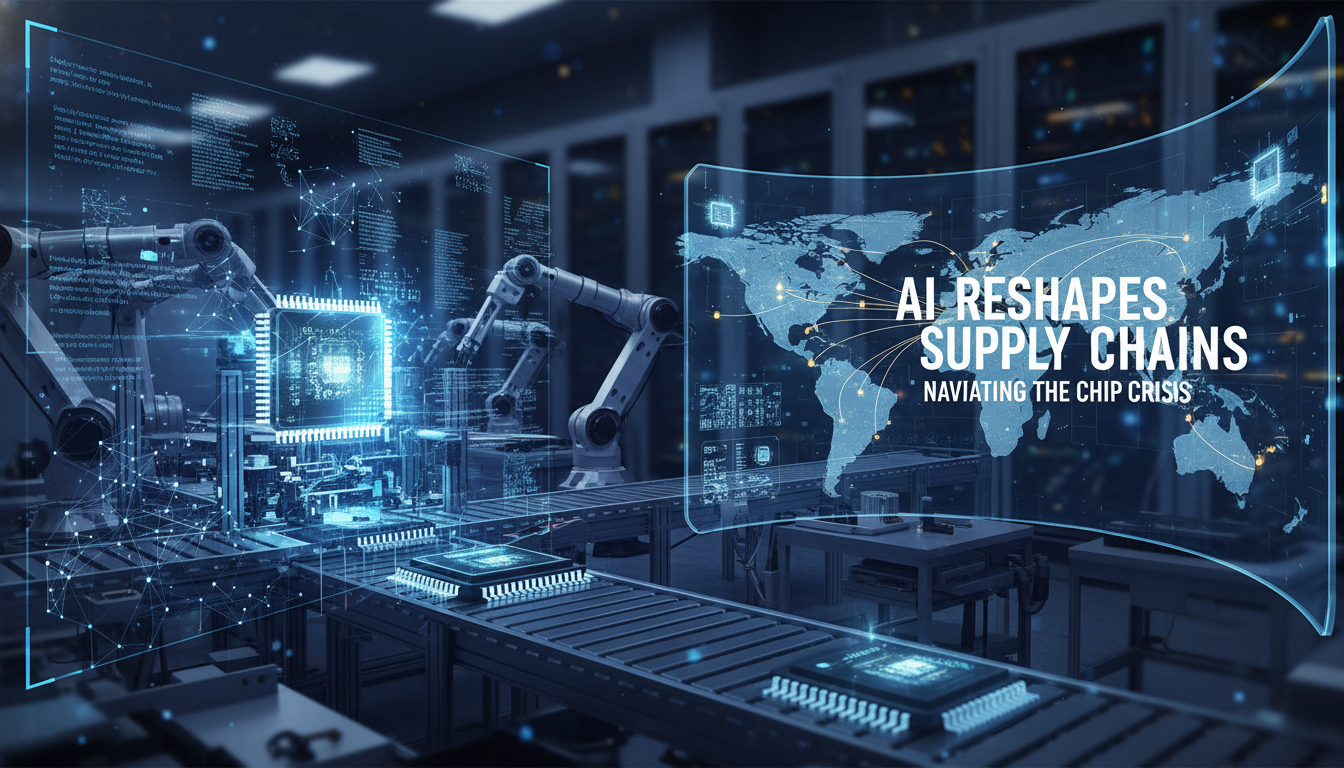
Navigating the Chip Crisis: How AI is Reshaping Semiconductor Supply Chains
The global semiconductor industry has witnessed unprecedented challenges and transformations in recent years, driven primarily by the disruptions in supply chains and the surging demand for advanced technologies. The automotive sector, once a steady consumer of semiconductors, found itself at a crossroads when the chip crisis hit, forcing a reevaluation of how semiconductor supply chains are managed. Concurrently, the exponential growth in artificial intelligence (AI) systems has shifted the industry's focus, influencing how investments and production capacities are allocated.
The Impact of the Chip Shortage on the Automotive Industry
The semiconductor shortage of the early 2020s highlighted the vulnerability of automotive supply chains. In 2021 alone, a staggering number of vehicles, over nine million, were not produced due to the unavailability of essential chips. This situation was not merely an inconvenience; it was a wake-up call for automakers who realized that semiconductors were no longer a mere procurement detail but a pivotal component in production strategy.
This realization has led to significant changes in how car manufacturers approach their semiconductor needs. Companies like General Motors have moved to secure their chip supplies through long-term agreements with semiconductor manufacturers, ensuring that production lines remain active and responsive to consumer demands.
AI: A Catalyst for Semiconductor Industry Growth
While the automotive industry grapples with securing semiconductor supply, the broader semiconductor market is experiencing a boom, largely fueled by the demands of AI systems. According to the World Semiconductor Trade Statistics organization, the industry's revenue is on track to reach nearly $1 trillion by 2026. This growth is predominantly driven by the need for high-performance processors and advanced memory solutions required for AI training and inference tasks.
The surge in AI-related demand is reshaping investment patterns within the semiconductor industry. Companies are channeling resources into building advanced fabrication plants capable of producing the latest processors for cloud computing and AI applications. These facilities, however, are not typically suited for the automotive sector's unique semiconductor requirements, which include microcontrollers and power management chips that need to withstand harsh operational environments over extended periods.
Strategic Adjustments in Chip Procurement
In response to these challenges, carmakers are adopting new strategies to lock in chip supplies. By forming strategic partnerships and investing in dedicated production capacities, automakers are seeking to insulate themselves from future disruptions. For instance, the expanded collaboration between GlobalFoundries and Renesas Electronics Corporation exemplifies this shift. This partnership aims to enhance the production of automotive-specific semiconductors across multiple global locations, including the United States, Germany, and Singapore.
Moreover, governments are stepping in to support these efforts. The European Commission's approval of state aid for Infineon's expansion in Dresden is a testament to the strategic importance of enhancing automotive semiconductor production capabilities in Europe.
Balancing AI Demand with Automotive Needs
The semiconductor industry finds itself at a critical juncture where balancing the burgeoning demand from AI with the specific needs of the automotive sector is essential. While AI systems drive significant revenue growth and technological advancements, the importance of maintaining robust production lines for automotive and industrial applications cannot be overstated.
Spreading manufacturing capabilities across different regions is a strategic move to mitigate risks associated with geopolitical tensions, trade restrictions, and potential natural disasters. By diversifying production geographically, companies can ensure a steady flow of chips essential for the automotive industry's uninterrupted operation.
Conclusion
The semiconductor landscape is evolving rapidly, shaped by the dual forces of AI demand and the lessons learned from recent supply chain disruptions. For automakers and semiconductor manufacturers, the path forward involves strategic partnerships, investments in dedicated production facilities, and a keen focus on balancing the needs of emerging technologies with traditional industry demands.
As the industry moves towards a future defined by technological integration and innovation, the successful navigation of these challenges will determine the resilience and competitiveness of both the semiconductor and automotive sectors. By prioritizing collaboration and foresight, stakeholders can build a more robust and adaptable supply chain capable of meeting the diverse demands of a rapidly changing world.