Reclaiming the Aisles: How Retail Giants are Empowering AI Without Losing Control
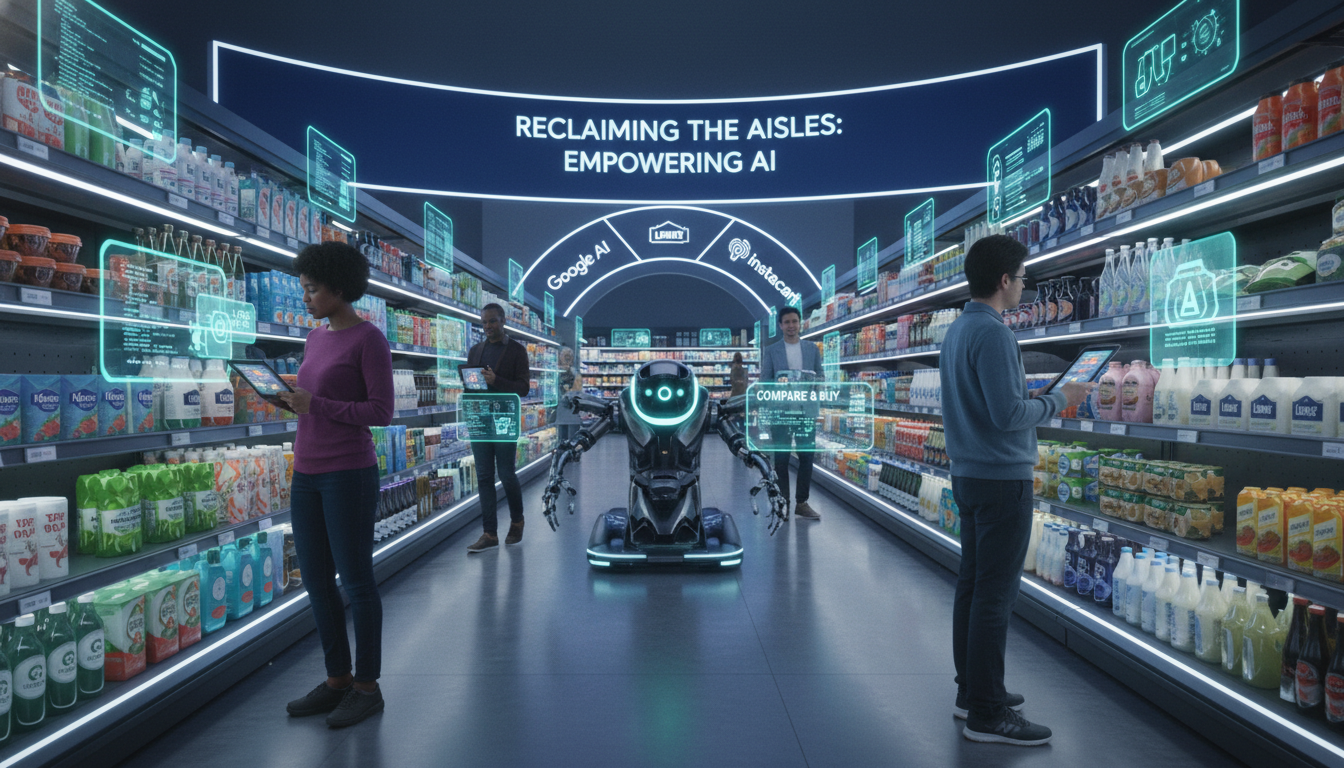
Reclaiming the Aisles: How Retail Giants are Empowering AI Without Losing Control
In the rapidly evolving retail landscape, the integration of artificial intelligence (AI) has become more than just a buzzword—it's a strategic necessity. Retail giants like Kroger and Lowe’s are taking proactive steps to incorporate AI into their operations. However, unlike many who rely solely on third-party platforms, these retailers aim to maintain control over how their products are presented and sold. This article explores how these companies are navigating the AI frontier without losing control of their customer interactions.
The Shift Towards In-House AI Solutions
Retailers are increasingly aware that the rise of AI shopping tools could potentially distance them from their customers. As chatbots and automated systems begin to influence consumer decisions, companies risk ceding control over product representation and customer engagement to external platforms. This is prompting a shift towards developing proprietary AI solutions that are integrated into their own systems.
For instance, Kroger is experimenting with an AI agent embedded within its mobile app. This agent can assist with comparing products, managing purchases, and making suggestions tailored to individual customer preferences. By doing this, Kroger retains control over the shopping experience, ensuring that it can influence buying decisions directly and maintain customer loyalty.
Balancing Reach and Control
The decision to keep AI systems in-house is not just about control; it’s also about strategically balancing reach and influence. While integrating with large AI platforms like those offered by Google or OpenAI can expand a retailer's market reach, it also risks diminishing brand loyalty and reducing opportunities for upselling. Once an external entity manages the customer interface, retailers have minimal influence over how products are marketed and sold.
Lowe’s, for example, has integrated Google’s shopping agent into its own virtual assistant, Mylow. This move has reportedly doubled conversion rates when customers use Mylow online. However, Lowe’s is careful not to rely on a single provider, working with multiple vendors to mitigate risks associated with rapid technological changes.
Spreading Risk with Multiple Vendors
Retailers understand that AI technology is evolving at a breakneck pace. Models and tools that are cutting-edge today may become obsolete in a matter of weeks. This reality is shaping how retailers approach vendor relationships. By collaborating with multiple vendors, companies like Lowe’s and Kroger ensure they are not overly dependent on a single source, allowing them to adapt quickly to technological advancements.
Kroger’s strategy involves working with a variety of partners, including Google and Instacart, to support its AI initiatives. This diversified approach not only spreads risk but also positions the company to leverage the best technologies available, ensuring their AI agents remain effective and relevant.
Testing Without Overcommitting
Some retailers, like Papa Johns, are opting for a more cautious approach. Instead of developing their own AI models, they are testing existing solutions to gauge their effectiveness. Papa Johns is currently trialing Google’s food ordering agent for tasks such as estimating the number of pizzas required for a group based on a customer-uploaded photo. This method allows them to benefit from AI technologies without the need for significant investment in developing proprietary systems.
Kevin Vasconi, Papa Johns’ chief digital and technology officer, emphasizes the importance of understanding how to use AI agents effectively rather than owning the technology itself. This practical stance reflects a broader industry trend of using AI as a tool to enhance operations rather than as an end in itself.
The Road Ahead for Retail AI
As the retail sector continues to experiment with AI, the focus remains on finding the right balance between leveraging new technologies and maintaining control over customer interactions. Retailers are taking a measured approach—testing, evaluating, and adapting—before making substantial commitments. This caution is indicative of an industry still in the process of understanding the full implications of AI on shopping behaviors.
While AI agents are gaining traction, they have not yet become the primary method of purchasing everyday goods. Retailers like Kroger, Lowe’s, and Papa Johns are at the forefront of this transition, carefully navigating the complexities of AI integration to ensure they remain connected to their customers while embracing the future of retail technology.