Revolutionizing Website Design: AI Assistant for Effortless Editing
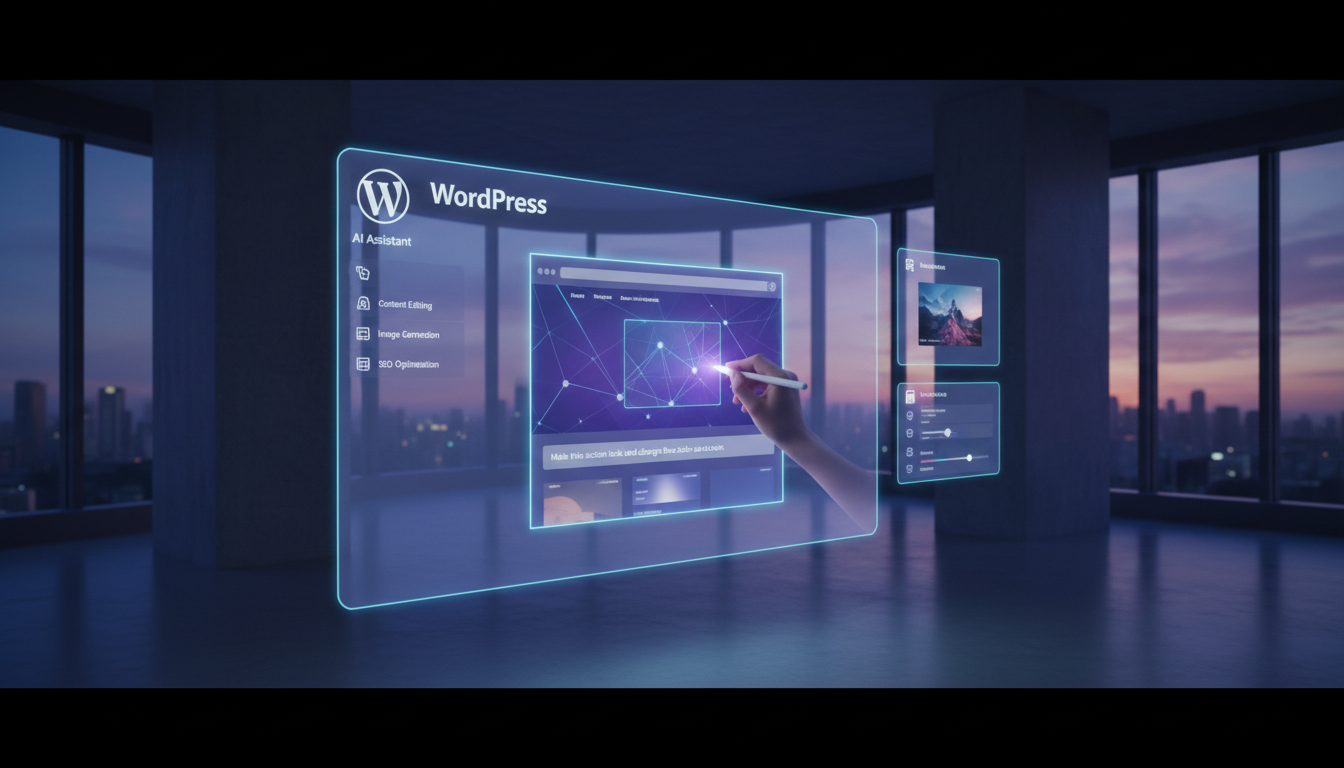
Revolutionizing Website Design: Exploring AI-Driven Editing Tools
In the ever-evolving landscape of digital content creation, streamlining processes while enhancing creativity is a top priority. A recent advancement in this domain is the integration of AI-driven editing tools within website design platforms, which promises to make website management more intuitive and efficient.
Effortless Design Adjustments Through AI
AI assistants in website design platforms are reshaping how users interact with their sites. These built-in assistants can modify layouts, update styles, and manage content through simple, natural-language commands. By typing straightforward prompts, users can request changes such as making a section appear more contemporary, adjusting the color scheme, or exploring diverse font options. This functionality eliminates the need for technical expertise, making the design process more accessible.
A significant advantage of such AI tools is their ability to understand the context of a site's content and structure. This capability allows them to implement broad instructions effectively, ensuring that the website's aesthetic and functional elements align seamlessly with the user's vision.
Content Editing and Image Generation Simplified
Beyond design tweaks, AI assistants have broadened their scope to include content editing and image generation. These tools offer a suite of features that simplify content management, such as rewriting text for a more confident tone, translating sections into different languages, or suggesting compelling headlines. This integration fosters a seamless workflow, eliminating the need for external fact-checking or translation tools.
In terms of imagery, these AI tools connect with advanced models to generate or modify images based on user descriptions. Whether it’s adjusting an image's color palette or replacing elements within a photo, these capabilities empower users to create visually striking content without leaving the platform.
Navigating the Competitive Landscape
The introduction of AI assistants in website design platforms positions them competitively against other site builders that have embraced generative AI features. While some AI-driven site builders have faced criticism for producing outdated designs, the focus on high-quality, contemporary outputs can offer a significant competitive edge.
Furthermore, by integrating these AI capabilities natively, website design platforms are challenging third-party plugins that offer similar functionalities. For these plugins to maintain their relevance, they must provide value that extends beyond the built-in capabilities of the platform.
The Future of AI in Website Design
The current trend in AI for website design is shifting towards more autonomous, "agentic" AI systems capable of handling complex, multi-step tasks independently. Future iterations may include features such as automatically repairing broken links, optimizing pages based on user interactions, or refining content structure autonomously.
As this technology continues to evolve, it is crucial for businesses and individuals to stay informed about these advancements. By leveraging AI-driven tools, users can not only enhance their website's performance but also ensure that their digital presence remains cutting-edge and engaging.
In conclusion, the integration of AI assistants in website design platforms marks a transformative step in digital content management. By simplifying complex tasks and broadening creative possibilities, these tools empower users to maintain a dynamic and professional online presence with ease. As the realm of AI continues to expand, staying abreast of these developments will be key to leveraging their full potential.