AI for All: Empowering Local Communities Through Innovation and Inclusion
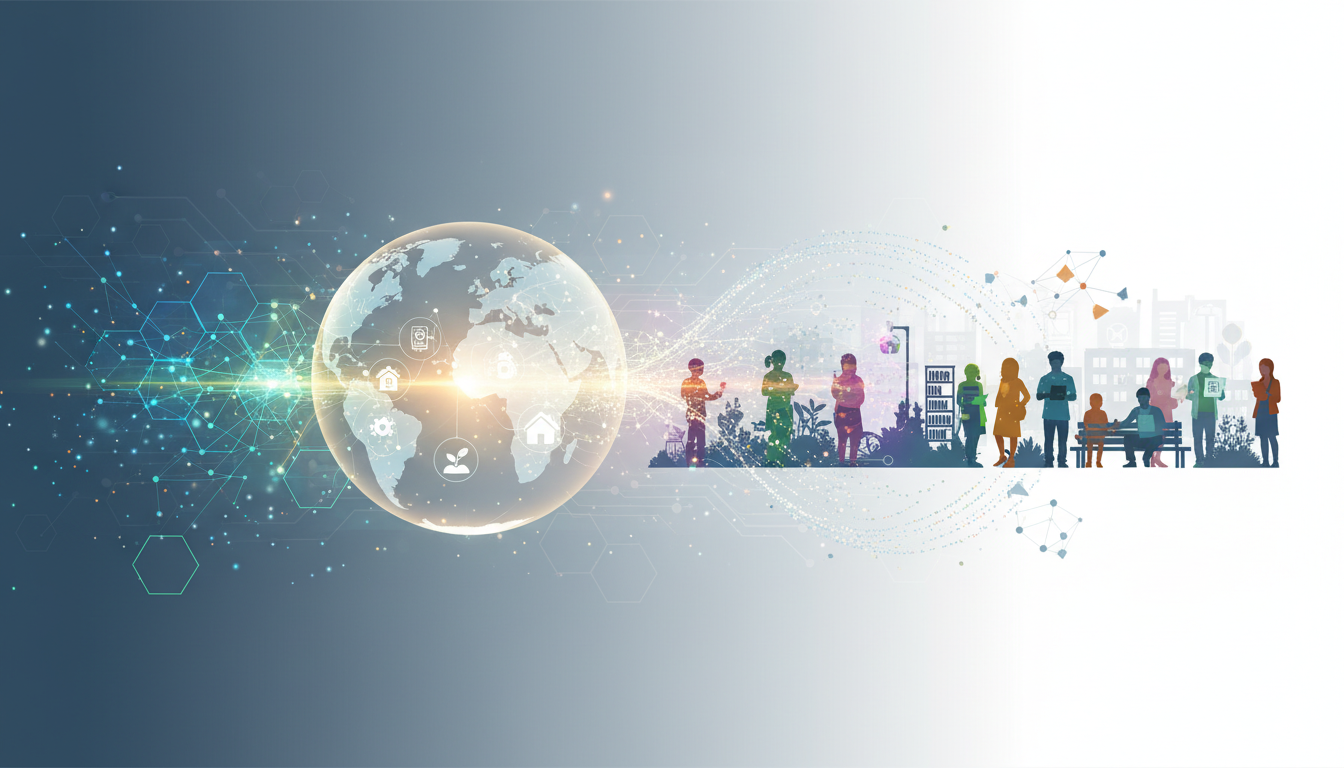
Artificial Intelligence (AI) is not just a technological advancement; it is a transformative force with the potential to reshape societies and economies. When harnessed responsibly, it can empower local communities, fostering innovation and inclusion. This article explores how AI is being utilized to uplift communities, focusing on examples from Thailand and initiatives aimed at expanding AI skills and opportunities to everyone.
AI Skills Drive Progress
In many parts of the world, the digital divide remains a significant barrier to economic and social progress. Many communities have the talent and ambition to succeed but lack access to the necessary skills, tools, and pathways to integrate into the digital economy. Initiatives like Microsoft's "Elevate" are actively working to close this gap by providing access to AI skills and resources. By doing so, they enable individuals and communities to participate more fully in both economic and social life.
The Role of Partnerships
Efforts like Microsoft's Elevate program are not carried out in isolation. They require strong partnerships with government bodies, educational institutions, and civil society organizations. In Thailand, for example, Microsoft collaborates with various sectors to promote responsible AI use and ensure the technology's societal benefits are widely shared. This collective approach ensures that the opportunities provided by AI are accessible to all, irrespective of geographical or socio-economic barriers.
Elevating People, Unlocking Opportunities
The impact of AI on local communities is profound. In the Thai-Cambodian Border Grassroots Economic Community in Buriram’s Non Din Daeng District, AI has turned a child's artistic endeavor into a source of income for families. This transformation illustrates how creativity, when paired with AI, can lead to economic participation and growth.
AI in Public Services
In the public sector, AI is revolutionizing how services are delivered. By reducing administrative burdens, AI enables public agencies to offer faster, more tailored services to citizens. This efficiency is not just beneficial to the agencies but also enhances the overall quality of life for the communities they serve.
Supporting Research and NGOs
AI's role extends to research and non-governmental organizations (NGOs), where it aids in data analysis, research support, and decision-making processes. For NGOs, AI is a powerful tool that enhances their ability to support vulnerable communities, develop educational campaigns, and raise awareness on important social issues.
Bridging Generations, Cultures, and Opportunities
While concerns about AI replacing human jobs persist, real-world examples show that AI can create new opportunities. In Thailand, technology is helping bridge generations and cultures. For instance, the Mon community in Pathum Thani is using AI tools to preserve their language and reinterpret traditional crafts. This cultural preservation demonstrates how AI can serve as a bridge between the old and the new, enriching both in the process.
Empowering People with Disabilities
AI also plays a crucial role in empowering people with disabilities. Tools like text-to-speech and voice-to-text make communication easier, allowing individuals to participate more fully in education, work, and community life. This inclusivity is essential for creating a society where everyone has the opportunity to contribute and thrive.
Technology Expands Opportunity When People Lead
The success of digital transformation hinges on keeping people at the center of progress. AI tools and skills can magnify the impact of human efforts, but it is ultimately people who drive change. In Thailand, initiatives focused on AI and social impact demonstrate that technology, when used effectively, can connect creativity to markets and learning to livelihoods.
Collaborative Efforts for Greater Impact
Through collaborations with organizations like the UNESCAP and the Digital Economy Promotion Agency (depa), Microsoft is delivering practical AI skills to diverse groups, ensuring that access to this technology is not limited by geography, income, or background. Over 70,000 nonprofit leaders, workers, and beneficiaries have gained AI skills, enabling them to improve productivity and drive positive social outcomes.
Conclusion
AI is a powerful tool for empowering local communities and expanding the circle of opportunity. By ensuring broad access to AI skills and fostering responsible use, initiatives like Microsoft Elevate are paving the way for a future where technology serves as a bridge to new possibilities. As communities harness the potential of AI, they not only preserve their cultural heritage but also create new pathways for economic and social progress. In this way, AI truly becomes a tool for all, driving innovation and inclusion across the globe.
Saksham Gupta
Founder & CEOSaksham Gupta is the Co-Founder and Technology lead at Edubild. With extensive experience in enterprise AI, LLM systems, and B2B integration, he writes about the practical side of building AI products that work in production. Connect with him on LinkedIn for more insights on AI engineering and enterprise technology.