What Does an Enterprise RAG System Cost in India?
For enterprises in India, navigating the complexities of data retrieval and integration can be a daunting task. With the increasing need for robust systems that can handle large volumes of data efficiently, many organizations are turning to Retrieval-Augmented Generation (RAG) systems. However, understanding the costs involved in implementing an enterprise RAG system in India is crucial for effective budgeting and planning.
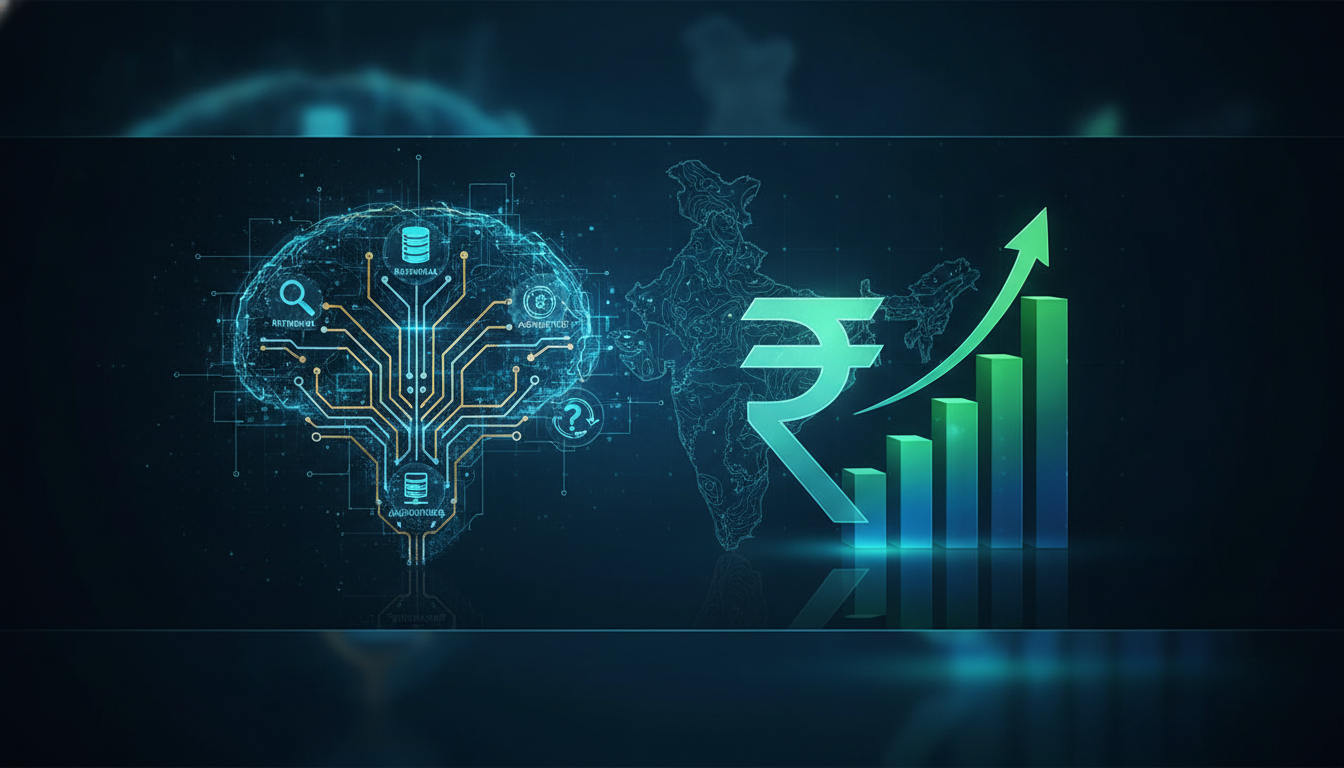
The cost of implementing an enterprise RAG system in India can vary significantly based on several factors such as the scale of deployment, the complexity of data integration, and the choice between cloud-based or on-premise solutions. Typically, enterprises can expect the initial setup costs to range from INR 20 lakhs to INR 1 crore, with ongoing maintenance and operational costs depending on the chosen infrastructure and service level agreements.
What Factors Influence the Cost of a RAG System?
The cost of a RAG system is influenced by a variety of factors. First, the scale of the deployment plays a critical role; larger deployments require more resources and infrastructure, leading to higher costs. Second, the complexity of data integration is another factor; systems that need to integrate with numerous data sources or require complex data processing will naturally incur higher costs. Additionally, the choice between cloud-based solutions and on-premise deployments significantly impacts cost. Cloud-based systems often have lower initial capital costs but may incur higher operational expenses over time, whereas on-premise solutions require substantial upfront investment in hardware and software licenses.
How Does Infrastructure Choice Affect RAG System Costs?
The decision between deploying a RAG system on the cloud or on-premise can greatly influence costs. Cloud-based RAG systems offer scalability and reduced initial costs, as enterprises do not need to invest in physical hardware. However, they involve ongoing subscription fees and potential data transfer costs, which can add up over time. On the other hand, on-premise deployments require significant initial investments in servers, storage, and networking equipment but offer greater control over data security and potentially lower long-term costs if the infrastructure is utilized efficiently. Enterprises must weigh these considerations carefully to determine the most cost-effective solution for their needs.
What Are the Typical Initial Setup Costs?
Initial setup costs for a RAG system can vary widely based on the complexity and scale of the deployment. For a medium-sized enterprise, initial costs might start at around INR 20 lakhs, covering software licenses, initial data integration, and basic infrastructure setup. For larger enterprises or more complex systems, costs can escalate to INR 1 crore or more, especially if custom development and extensive data integration are required. These costs are influenced by the choice of vendors, the need for custom features, and the extent of required training and support.
What Are the Ongoing Maintenance Costs?
Ongoing maintenance costs are an important consideration for any RAG system. These include costs related to software updates, hardware maintenance (for on-premise solutions), and ongoing data management. Cloud-based systems may incur additional costs related to data storage and processing. Typically, enterprises should budget for annual maintenance costs amounting to 10-20% of the initial setup cost. This includes regular updates, security patches, and technical support to ensure the system continues to operate efficiently and securely.
How Can Enterprises Optimize RAG System Costs?
To optimize costs, enterprises should conduct a thorough needs assessment to determine the essential features and scale of the RAG system required. Engaging with a consultancy experienced in enterprise RAG systems, such as EdubildAI, can help tailor solutions that meet specific business needs without unnecessary expenditure. Additionally, enterprises can consider leveraging existing infrastructure and integrating open-source components where feasible to reduce costs. Regular reviews and audits of the system can also help identify areas for cost savings and efficiency improvements.
What Is the Role of Vendor Selection in Cost Management?
Choosing the right vendor can have a significant impact on the cost and success of a RAG system deployment. Vendors with a proven track record in deploying RAG systems, such as EdubildAI, can provide valuable insights and support that can optimize costs and improve system performance. It's important to evaluate vendors based on their expertise, support services, and the flexibility of their solutions to ensure they align with your organization's goals and budget.
Implementation Considerations
For organizations considering a RAG system, implementation involves several key steps: defining data requirements, selecting the appropriate infrastructure, and choosing a reliable vendor. Proper planning and project management are essential to ensure a smooth deployment. It is also crucial to involve stakeholders across departments to ensure the system meets all organizational needs and to prepare for a successful change management process.
FAQ
What is a RAG system? A Retrieval-Augmented Generation (RAG) system combines retrieval-based data access with generation capabilities to provide more accurate and contextually relevant data outputs. It is particularly useful for enterprises handling large volumes of diverse data.
How long does it take to implement a RAG system? The implementation timeline can vary depending on the project scope and complexity. Typically, a medium-sized deployment might take 3 to 6 months, while larger, more complex systems could take up to a year.
What are the key benefits of a RAG system? RAG systems enhance data retrieval efficiency, improve decision-making through better data insights, and can significantly reduce the time required to access relevant information.
Can existing systems be integrated with a new RAG system? Yes, existing systems can often be integrated with a new RAG system, although this may require additional customization and data mapping efforts to ensure seamless interoperability.
Closing Call-to-Action
Ready to explore how a RAG system can transform your enterprise data management? Contact us today to discuss your specific needs and get a tailored solution that fits your budget and objectives.
Saksham Gupta
Founder & CEOSaksham Gupta is the Co-Founder and Technology lead at Edubild. With extensive experience in enterprise AI, LLM systems, and B2B integration, he writes about the practical side of building AI products that work in production. Connect with him on LinkedIn for more insights on AI engineering and enterprise technology.