Navigating the AI Landscape: Decoding AI-Native vs. AI-Enabled Applications
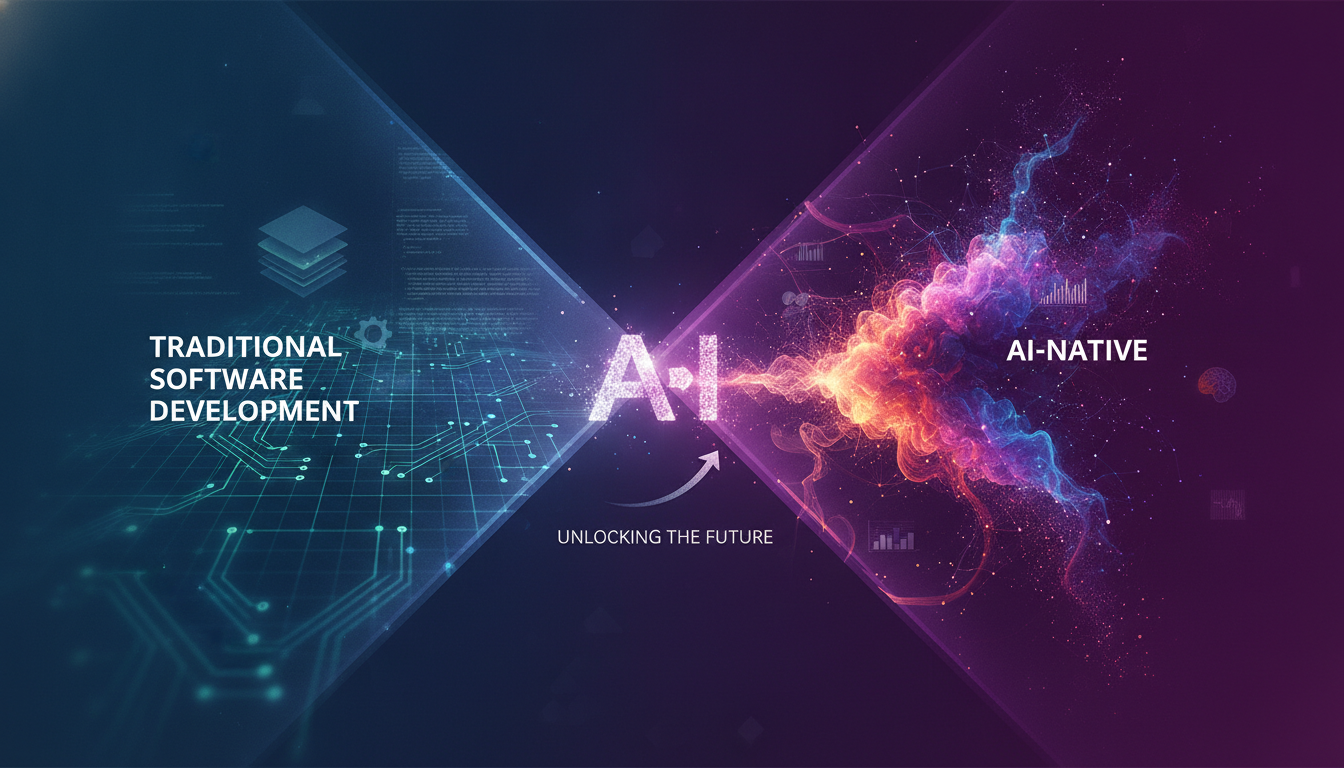
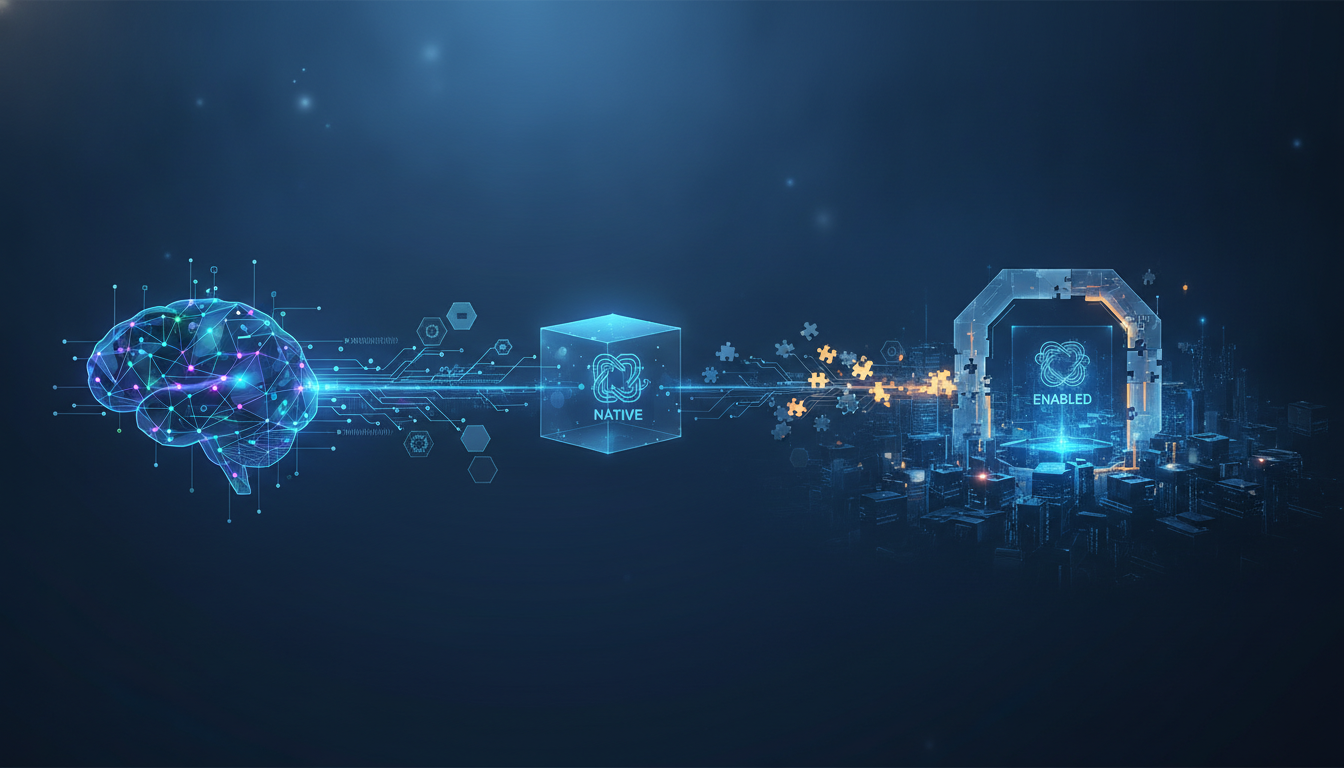
As artificial intelligence (AI) continues to shape the technological landscape, organizations face critical decisions about how to integrate these capabilities into their operations. Among the most significant distinctions in this domain is the difference between AI-native and AI-enabled applications. Understanding this difference is crucial for enterprises looking to harness the full potential of AI.
Understanding AI-Enabled Applications
AI-enabled applications are designed to enhance existing software by integrating AI functionalities. These enhancements can include predictive analytics, chatbots, or automation features that improve decision-making and user experiences. The core architecture of these applications remains traditional, relying on established software frameworks to function.
One of the notable advantages of AI-enabled applications is their relatively low implementation risk. Organizations can modernize legacy systems without a complete overhaul, making it easier to adopt AI incrementally. This approach is particularly beneficial for businesses looking to improve operational efficiency without significant disruption.
However, the limitations of AI-enabled applications become evident as organizations scale their operations. The integration of AI features often leads to constraints imposed by the underlying legacy architecture. As businesses seek to expand their AI capabilities, they may encounter challenges related to scalability and adaptability.
Exploring AI-Native Applications
In contrast, AI-native applications are built with AI as their core architecture from the outset. This means that AI technologies, such as machine learning algorithms and large language models, are fundamental to how these applications operate. The design of AI-native applications allows for continuous learning and adaptation, enabling them to evolve alongside the needs of the organization.
One of the most significant benefits of AI-native applications is their scalability. These systems are designed to handle vast amounts of data and complex workflows, making them ideal for organizations focused on innovation and growth. Furthermore, the data strategy for AI-native applications is inherently different; they continuously improve based on real-time data, enhancing their capabilities over time.
However, the initial investment in AI-native architectures can be higher compared to AI-enabled solutions. Organizations need to weigh the long-term benefits against the upfront costs, particularly in terms of talent acquisition, technology infrastructure, and development time.
Key Differences Between AI-Native and AI-Enabled
Understanding the distinctions between AI-native and AI-enabled applications is vital for enterprise leaders. Here’s a summary of the key differences:
AI’s Role: In AI-enabled applications, AI enhances existing functionalities, while in AI-native applications, AI is the core business capability.
Architecture: AI-enabled applications utilize traditional software with AI integrations, whereas AI-native architectures are designed from the ground up to prioritize AI technologies.
Learning Mechanism: AI-enabled applications have limited learning capabilities tied to integrated features, while AI-native applications undergo continuous learning and adaptation.
Scalability: The scalability of AI-enabled solutions is often constrained by legacy systems, whereas AI-native applications are built for expansive growth.
Data Strategy: AI-enabled applications primarily use operational data for insights, while AI-native applications continuously improve through data feedback.
Time to Market: AI-enabled applications can reach the market faster, while AI-native solutions involve a higher initial investment but offer greater long-term value.
Real-World Examples
To illustrate these concepts, consider a customer relationship management (CRM) software. An AI-enabled CRM might integrate a chatbot to assist users, enhancing the existing platform's functionality. On the other hand, an AI-native CRM would be built around AI capabilities, using predictive analytics to foresee customer needs and adapt strategies in real-time.
Similarly, in the healthcare sector, an AI-enabled application might provide diagnostic suggestions based on historical data, while an AI-native application could analyze patient data continuously, improving its recommendations with every interaction.
Choosing the Right Approach
For enterprises, the choice between AI-enabled and AI-native applications often depends on their current stage of AI maturity and long-term strategic goals. Many organizations start with AI-enabled applications to modernize existing systems. As they gain experience and confidence in their AI capabilities, they may consider transitioning to AI-native architectures to fully leverage the potential of AI.
Transitioning to AI-Native
Transitioning from AI-enabled to AI-native requires careful planning and execution. Best practices include:
Assessing Current Capabilities: Understand the existing systems and identify areas where AI can drive significant value.
Investing in Talent: Acquire or develop talent with expertise in AI technologies to guide the transition.
Iterative Development: Use agile methodologies to develop AI-native solutions incrementally, allowing for adjustments based on real-world feedback.
Data Strategy: Establish a robust data management strategy that supports continuous learning and adaptability.
The Future of Enterprise AI
The future of enterprise AI lies in the evolution from AI-enabled to AI-native applications. As organizations increasingly recognize the importance of AI in driving innovation, those that invest in AI-native architectures will likely gain a competitive edge.
In conclusion, understanding the distinction between AI-native and AI-enabled applications is essential for enterprises looking to successfully navigate the AI landscape. By making informed decisions and leveraging the right strategies, organizations can position themselves for sustainable growth and innovation in an increasingly AI-driven world.
Saksham Gupta
Founder & CEOSaksham Gupta is the Co-Founder and Technology lead at Edubild. With extensive experience in enterprise AI, LLM systems, and B2B integration, he writes about the practical side of building AI products that work in production. Connect with him on LinkedIn for more insights on AI engineering and enterprise technology.