Revolutionizing Payments: Klarna Teams Up with Google to Simplify AI Agent Transactions
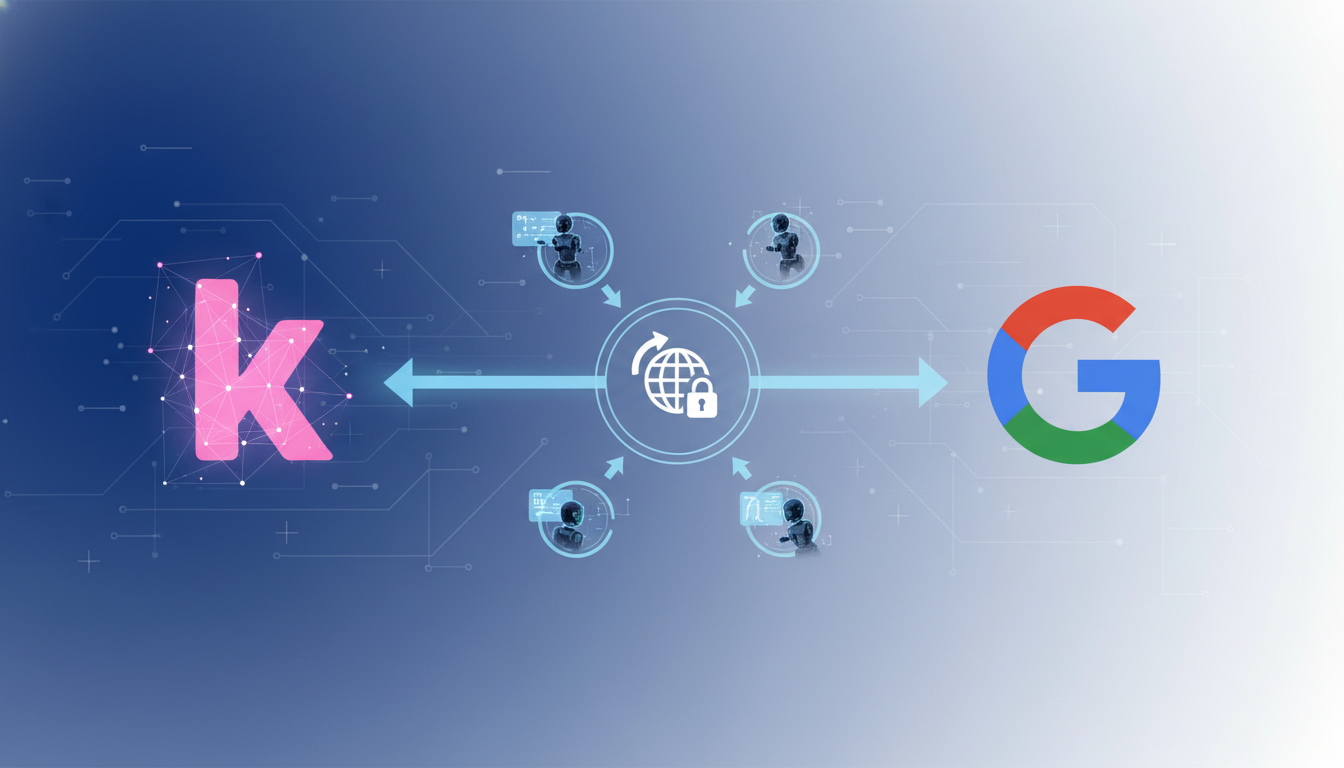
In a significant move poised to transform the landscape of AI-driven commerce, Klarna has announced its collaboration with Google, embracing the Universal Commerce Protocol (UCP) to streamline AI agent transactions. This partnership aims to address the longstanding challenges of interoperability and complexity that have hindered the effective integration of AI agents in the payment ecosystem. By supporting Google's UCP and Agent Payments Protocol (AP2), Klarna is positioning itself at the forefront of a burgeoning shift towards more unified and efficient AI-powered shopping experiences.
The Interoperability Dilemma in AI Agent Payments
The current state of AI commerce often resembles a fragmented landscape where each AI platform functions within its own silo, necessitating custom integrations for each unique system it interacts with. This complexity not only inflates development costs but also restricts the potential for widespread adoption of automated shopping tools. The lack of a standardized approach means that every new merchant or payment provider requires a bespoke solution, creating a web of inefficiencies.
Google's UCP seeks to dismantle these barriers by offering a standardized interface that covers the entire shopping lifecycle. By doing so, it allows merchants and payment providers to communicate through a unified protocol, eliminating the need for platform-specific connectors. Klarna’s involvement underscores a shared commitment to fostering openness, trust, and transparency within the AI-driven shopping ecosystem.
Standardizing the Transaction Layer
Klarna's integration with UCP represents a strategic move to simplify the transaction layer within AI agent environments. By leveraging open standards, Klarna’s technology, which includes flexible payment options and real-time decisioning, can seamlessly operate across various AI-powered platforms. This approach eliminates the need for hardcoded, platform-specific payment logic, paving the way for a more cohesive industry framework.
The implications extend beyond mere transaction execution. Klarna’s support for AP2 enhances this ecosystem by ensuring that trusted payment options are readily available across AI-powered checkout experiences. This integration aims to minimize the friction associated with transferring purchasing decisions from the consumer to an automated agent, making the process smoother and more reliable.
The Shift Towards AI-Driven Commerce
The adoption of Google’s UCP by Klarna signals a broader industry shift towards AI-driven commerce where the buyer interface transitions from traditional storefronts to AI agents. This transformation requires a reevaluation of existing commerce architectures, emphasizing the need for rigorous data management and hygiene. As AI agents depend heavily on structured data to manage transactions, accurate product feeds and inventory levels become critical operational priorities.
Moreover, the model remains anchored in trust. Klarna’s technology is designed to offer upfront terms that build consumer confidence during checkout. As the role of AI agents in commerce expands, maintaining clear decision-making logic and transparency is key to effective risk management.
A Template for Future Commerce
The convergence of Klarna’s payment technologies with Google’s open protocols offers a practical blueprint for reducing the technical burdens associated with AI agent commerce. The value of this collaboration lies in its ability to streamline integration processes, diminishing the technical debt that often accompanies the maintenance of multiple sales channels. Success will hinge on the industry’s capacity to expose business logic and inventory data through these open standards, fostering a more interconnected and efficient commerce ecosystem.
In conclusion, Klarna’s partnership with Google represents a pivotal step towards revolutionizing the way AI agents facilitate transactions. By embracing open standards like UCP, Klarna is not only enhancing its technological capabilities but also contributing to the development of an interoperable commerce environment. As AI-powered shopping continues to evolve, collaborations such as this will be instrumental in shaping a future where automated commerce is both practical and scalable.
Saksham Gupta
Founder & CEOSaksham Gupta is the Co-Founder and Technology lead at Edubild. With extensive experience in enterprise AI, LLM systems, and B2B integration, he writes about the practical side of building AI products that work in production. Connect with him on LinkedIn for more insights on AI engineering and enterprise technology.