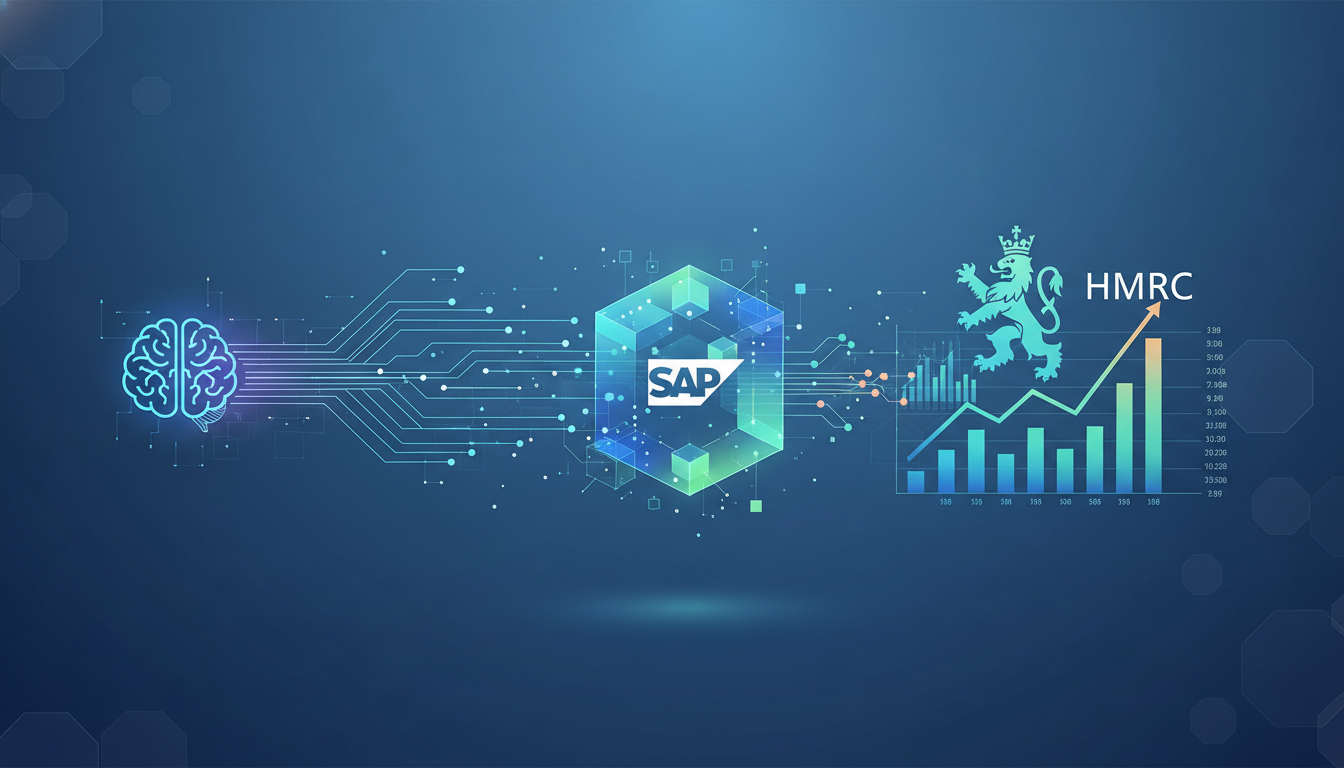
Revolutionizing Taxation: How SAP is Transforming HMRC's Infrastructure with AI
Introduction
In the digital age, the integration of Artificial Intelligence (AI) into public sector operations is not just an innovation; it is a necessity. The UK’s HM Revenue and Customs (HMRC) department is taking a bold step in this direction by collaborating with SAP to overhaul its tax infrastructure. This partnership aims to embed AI at the heart of the UK’s tax administration, promising to redefine the processes of tax collection and management.
The Need for Modernization
As the world advances technologically, traditional systems have struggled to keep pace. For HMRC, managing over £800 billion in annual tax revenue through legacy systems has become increasingly challenging. These outdated systems are often fragmented, creating inefficiencies and inaccuracies. The decision to collaborate with SAP is driven by the need to replace this obsolete infrastructure with a more cohesive, AI-driven system.
The Role of AI in Tax Administration
AI offers unprecedented opportunities for improving efficiency and accuracy in tax administration. By leveraging machine learning and automated decision-making, AI can process vast amounts of data quickly and accurately. This capability is essential for HMRC’s Enterprise Tax Management Platform (ETMP), which supports over 45 tax regimes. The shift to a managed cloud environment with SAP’s RISE platform means that data can now be unified and processed more effectively, paving the way for advanced analytics and real-time insights.
Ensuring Compliance and Security
Incorporating AI into highly regulated sectors like taxation requires meticulous attention to data governance. SAP’s UK Sovereign Cloud provides a secure environment that meets local data residency and compliance requirements. This ensures that while HMRC adopts cutting-edge AI technologies, it maintains the highest standards of data security and privacy. As Leila Romane, Managing Director UKI at SAP, aptly puts it, this modernization strengthens the resilience and sustainability of the UK’s critical national infrastructure.
Enhancing Taxpayer Experience
One of the primary objectives of this modernization effort is to reduce friction in taxpayer interactions. By utilizing AI, HMRC aims to improve the overall taxpayer experience through more responsive and transparent processes. Enhanced decision-making capabilities will not only streamline operations but also foster greater trust between HMRC and the public. For enterprise leaders, this transformation underscores the importance of data accessibility and its impact on operational efficiency.
Addressing the Infrastructure Challenge
The implementation of AI is as much about infrastructure as it is about software. HMRC’s strategy highlights the necessity of securing a robust cloud foundation before scaling automation efforts. This approach tackles technical debt and ensures data sovereignty, critical factors for effective AI implementation in regulated sectors like finance and taxation.
Lessons for Enterprise Leaders
The collaboration between HMRC and SAP serves as a valuable case study for enterprise leaders across industries. It demonstrates the importance of addressing legacy infrastructure issues to fully leverage AI’s potential. By prioritizing data accessibility and security, organizations can unlock operational value and drive innovation in their respective fields.
Conclusion
The modernization of HMRC’s tax infrastructure through AI is a landmark initiative that sets a precedent for public sector innovation. By partnering with SAP, HMRC is not only enhancing its operational capabilities but also redefining the taxpayer experience. As AI continues to evolve, this transformation offers valuable insights into how public sector bodies can harness technology to improve efficiency, security, and user experience. As enterprises worldwide consider similar transformations, the lessons learned from HMRC’s journey will undoubtedly serve as a guiding framework for future implementations.
Saksham Gupta
Founder & CEOSaksham Gupta is the Co-Founder and Technology lead at Edubild. With extensive experience in enterprise AI, LLM systems, and B2B integration, he writes about the practical side of building AI products that work in production. Connect with him on LinkedIn for more insights on AI engineering and enterprise technology.