Sweet Success: How Hershey is Leveraging AI to Transform Supply Chain Operations
The Shift Towards AI in Supply Chains
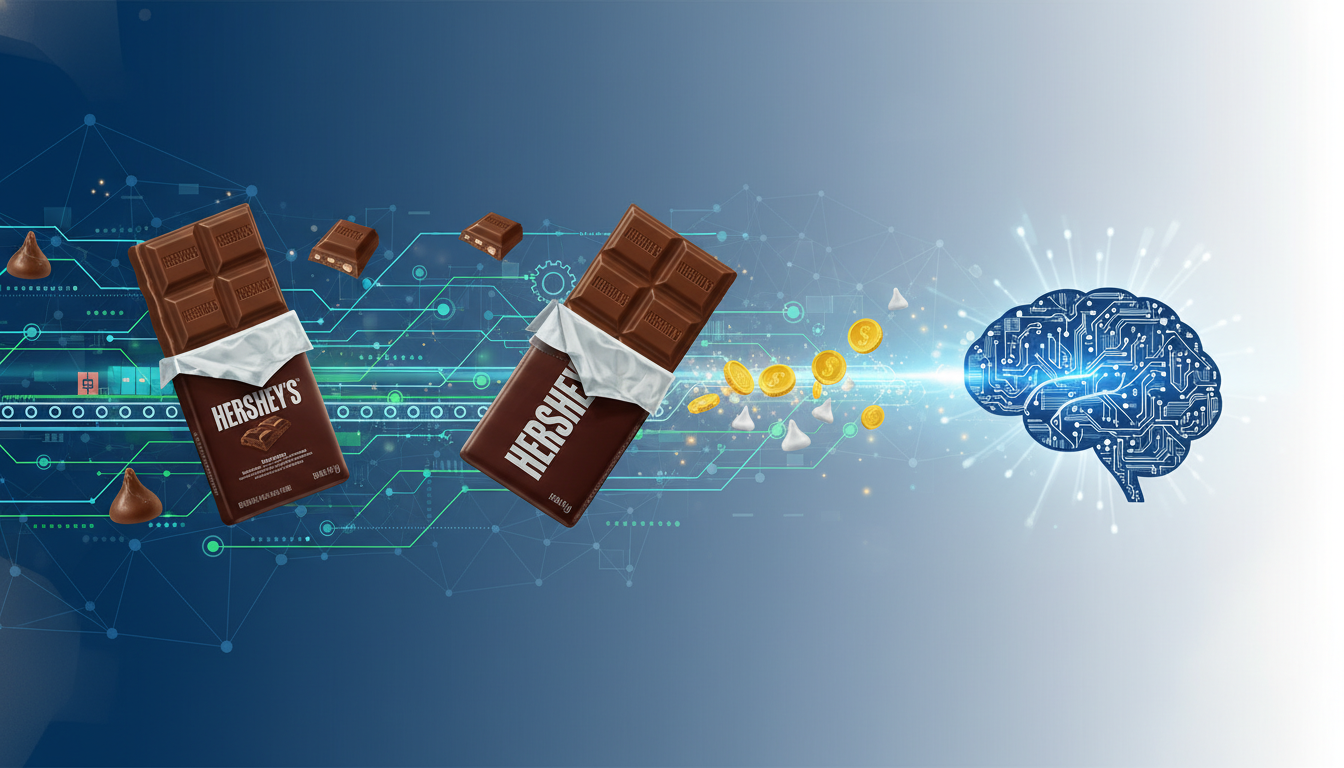
The Hershey Company, renowned for its sweet treats, is taking significant strides in modernizing its supply chain operations with artificial intelligence (AI). In a world where efficiency and speed are paramount, leveraging AI technologies has become a game-changer for many industries, including food production and logistics. Hershey's latest strategy highlights how AI is becoming integral to day-to-day operations, moving beyond mere long-term planning.
AI-Driven Sourcing and Fulfillment
At the core of Hershey's strategy is the implementation of AI in sourcing analytics and fulfillment processes. The company aims to build a "faster, smarter, and more resilient supply chain" by utilizing data-driven insights. This transformation involves using AI to guide decisions on ingredient procurement and product distribution. In an industry where costs and demands can fluctuate rapidly, having an AI-powered system allows Hershey to remain agile and responsive.
These digital planning tools are designed to interconnect various facets of the business, reducing waste and optimizing inventory levels. By enhancing service levels and improving the connection between sourcing and delivery, Hershey is setting itself up for success in an unpredictable market.
From Data to Decisions
One of the standout aspects of Hershey's strategy is its focus on "AI-enabled decision-making." This approach emphasizes the importance of converting data into actionable insights. Hershey plans to integrate AI with automated fulfillment systems to customize assortments and accelerate the speed-to-market process.
This integration is not just about data collection; it's about transforming data into decisions that enhance operational efficiency. The interconnectedness facilitated by AI allows Hershey to streamline processes, reduce errors, and respond swiftly to changes in market conditions.
Enhancing Manufacturing with AI
Hershey's commitment to AI extends into its manufacturing processes as well. By increasing plant automation, the company aims to boost manufacturing efficiency. AI is being embedded into various stages of the operating model, becoming a crucial component of planning and execution.
In an industry where input costs and consumer preferences can shift rapidly, even minor improvements in timing can have a significant impact. Hershey's use of AI in manufacturing is expected to optimize production schedules, manage resources more effectively, and maintain consistent product quality.
Managing Volatility with AI
The food and snack industry is no stranger to volatility, with factors like weather, trade policies, and supply chain disruptions affecting the availability and cost of essential ingredients such as cocoa and sugar. Hershey's adoption of AI for sourcing analytics aims to mitigate these risks. By analyzing supplier data and market trends, the company can make informed purchasing decisions, manage risk better, and maintain a steady flow of raw materials.
Beyond automation, Hershey's strategy also focuses on enhancing worker connectivity. This holistic approach ensures that while machines handle repetitive tasks, human workers remain central to operations by coordinating processes and making critical decisions.
A Broader Trend in Enterprise AI
Hershey's comprehensive AI strategy represents a broader trend in enterprise AI applications. Companies are transitioning from isolated pilot projects to more extensive implementations across business functions. In this model, AI is not just an add-on but an integral part of supply chain and delivery systems.
Kirk Tanner, CEO of Hershey, encapsulates this vision, emphasizing growth and execution as the primary goals. The company's strategy clearly outlines a path forward where AI plays a pivotal role in achieving these objectives.
The Future of AI in Supply Chains
Hershey's approach is likely to serve as a blueprint for other companies looking to harness the potential of AI in their supply chain operations. As industries built on physical goods increasingly adopt AI, the technology's role in everyday operations will only grow.
By successfully integrating AI into its supply chain, Hershey not only enhances its own operations but also sets an example for others in the industry. As AI continues to evolve, its applications in supply chain management are poised to become even more sophisticated, offering new levels of efficiency, resilience, and adaptability.
In conclusion, Hershey's strategic use of AI in its supply chain operations is a testament to the transformative power of technology in the modern business landscape. As the company embarks on this journey, it stands at the forefront of a new era in supply chain management, one where AI is a critical driver of success.
Saksham Gupta
Founder & CEOSaksham Gupta is the Co-Founder and Technology lead at Edubild. With extensive experience in enterprise AI, LLM systems, and B2B integration, he writes about the practical side of building AI products that work in production. Connect with him on LinkedIn for more insights on AI engineering and enterprise technology.